
FUPA Explained: Hidden Secrets to Lower Belly Fat & Skin
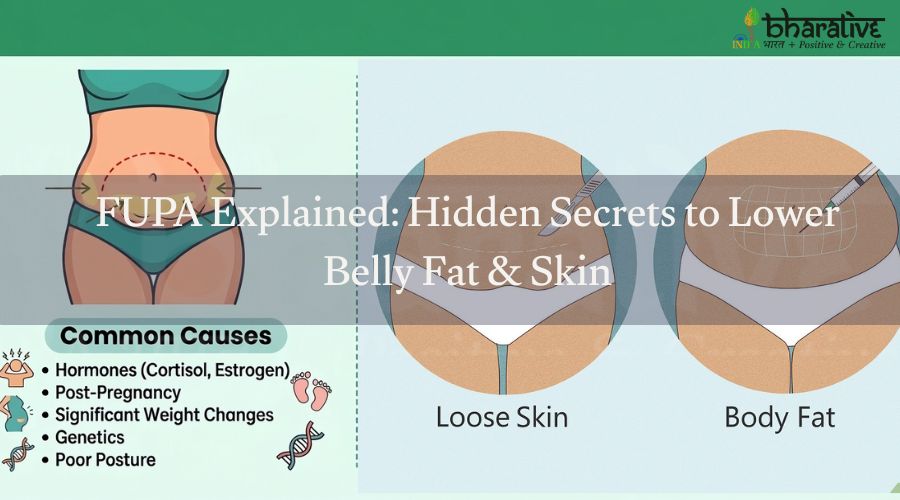
FUPA Explained: Hidden Secrets to Lower Belly Fat & Skin
Many people struggle with stubborn lower belly fat that seems difficult to lose, even after dieting or exercising. One term often used online to describe this area is FUPA. While the word may sound unusual, it has become widely used in conversations about body shape, weight changes, and post-pregnancy body changes.
Understanding what FUPA actually means and why it develops can help people approach the issue with realistic expectations and healthier solutions.
In this guide, we explain the meaning of FUPA, the causes of lower belly fat and loose skin, and practical ways to reduce or manage it.
What Does FUPA Mean?
FUPA is an informal slang term used online to describe excess fat or loose skin in the lower abdominal area, just above the pubic region.
The term became popular on social media and in fitness discussions, where people use it to talk about stubborn lower belly fat that does not easily disappear with standard weight-loss methods.
Although the phrase is often used humorously, the physical condition it refers to is very real and common among both men and women.
Why Lower Belly Fat Develops
Lower abdominal fat develops for several biological and lifestyle reasons. Unlike other areas of the body, the lower belly naturally stores fat as part of the body’s energy reserves.
Some of the most common causes include:
Weight Gain
When the body stores excess calories as fat, the abdominal area is one of the primary storage locations.
Pregnancy
Pregnancy can stretch the abdominal muscles and skin, sometimes leaving extra fat or loose skin afterward.
Aging
As people age, metabolism slows and fat distribution changes, often leading to increased belly fat.
Hormonal Changes
Hormones influence how the body stores fat. Changes in hormones can lead to fat accumulation in the lower abdomen.
Genetics
Some people are genetically predisposed to store fat in the stomach area.
Fat vs Loose Skin: Understanding the Difference
Not every FUPA is caused by fat alone. In many cases, loose skin plays a major role.
Lower Belly Fat
This type of tissue is soft and can shrink with weight loss through diet and exercise.
Loose Skin
Loose skin may remain after significant weight loss or pregnancy because the skin has stretched beyond its ability to fully tighten again.
Understanding which factor is involved can help determine the most effective solutions.
Can FUPA Be Reduced Naturally?
In many cases, lower belly fat can be reduced through consistent lifestyle changes. However, it is important to remember that spot reduction—losing fat from a single body area—is not scientifically supported.
Instead, overall fat loss helps reduce belly fat over time.
Exercise Strategies for Lower Belly Fat
Regular physical activity is one of the most effective ways to reduce abdominal fat.
Cardio Workouts
Cardiovascular exercise helps burn calories and reduce overall body fat.
Examples include:
- Walking
- Running
- Cycling
- Swimming
- High-intensity interval training
Core Strength Training
Strengthening abdominal muscles can improve the appearance of the stomach area.
Helpful exercises include:
- Planks
- Leg raises
- Reverse crunches
- Bicycle crunches
While these exercises strengthen the core, fat reduction still depends on overall calorie balance.
Diet and Nutrition
Diet plays a crucial role in reducing lower belly fat.
Healthy eating habits include:
- Eating whole foods
- Reducing processed sugar
- Increasing protein intake
- Drinking plenty of water
- Managing portion sizes
A balanced diet supports gradual and sustainable fat loss.
The Role of Hormones
Hormones strongly influence fat storage and metabolism.
Factors that affect hormones include:
- Sleep quality
- Stress levels
- Diet
- Physical activity
For example, high stress can increase cortisol levels, which may promote fat storage around the abdomen.
Managing stress through exercise, relaxation, and adequate sleep can help support weight management.
Post-Pregnancy Belly Changes
Many women notice a FUPA after pregnancy due to stretching of the abdominal muscles and skin.
This can happen because:
- The uterus expands significantly during pregnancy
- Abdominal muscles separate
- Skin stretches to accommodate the growing baby
While exercise and healthy habits can improve the appearance over time, some changes may persist.
Postpartum fitness programs focusing on core recovery can be helpful.
When Loose Skin Remains
After significant weight loss or pregnancy, loose skin may remain even after fat reduction.
This happens when the skin’s elasticity has been stretched beyond its natural ability to tighten.
Factors that affect skin elasticity include:
- Age
- Genetics
- Amount of weight lost
- Duration of weight gain
Although exercise improves muscle tone, it cannot always tighten loose skin completely.
Medical and Cosmetic Options
In cases where lifestyle changes are not enough, some individuals explore medical options.
These may include:
Non-Surgical Treatments
Some treatments aim to tighten skin or reduce fat using energy-based technologies.
Cosmetic Surgery
Procedures such as a tummy tuck can remove excess skin and reshape the abdominal area.
However, medical procedures should only be considered after consultation with qualified healthcare professionals.
Body Positivity and Realistic Expectations
It is important to remember that bodies naturally vary in shape and fat distribution.
Social media often promotes unrealistic body standards that do not reflect normal human anatomy.
Having some lower belly fat is completely normal for many people. Even individuals who exercise regularly may still have a small amount of fat in this area.
Healthy habits should focus on overall well-being rather than achieving a specific body shape.
Common Myths About FUPA
Myth 1: Only overweight people have it
In reality, even people with low body fat may have a small lower belly.
Myth 2: You can eliminate it with one exercise
No single exercise can remove fat from one specific area.
Myth 3: It means you are unhealthy
Body fat distribution varies widely among individuals.
Practical Tips for Managing Lower Belly Fat
For those looking to improve the appearance of their lower abdomen, several habits can help.
Maintain Consistent Exercise
Regular workouts support fat loss and muscle tone.
Focus on Whole Foods
A balanced diet supports long-term health.
Improve Sleep
Sleep plays a critical role in metabolism and hormone regulation.
Manage Stress
Lower stress levels can help reduce hormone-related fat storage.
Be Patient
Healthy body changes take time and consistency.
Conclusion
FUPA is a widely used slang term describing lower belly fat or loose skin in the abdominal area. Although the term often appears in casual conversations online, the physical condition it refers to is extremely common.
Lower belly fat can develop for many reasons, including weight gain, pregnancy, hormonal changes, aging, and genetics.
While exercise and healthy nutrition can help reduce overall body fat, managing expectations and focusing on long-term health is essential. In some cases, loose skin may remain even after weight loss.
Ultimately, understanding the causes of lower belly fat can help individuals make informed decisions about their health and approach body changes with confidence and balance.
You may also like ...