
HearthStats Net News – Your Ultimate Companion to Master the Tavern
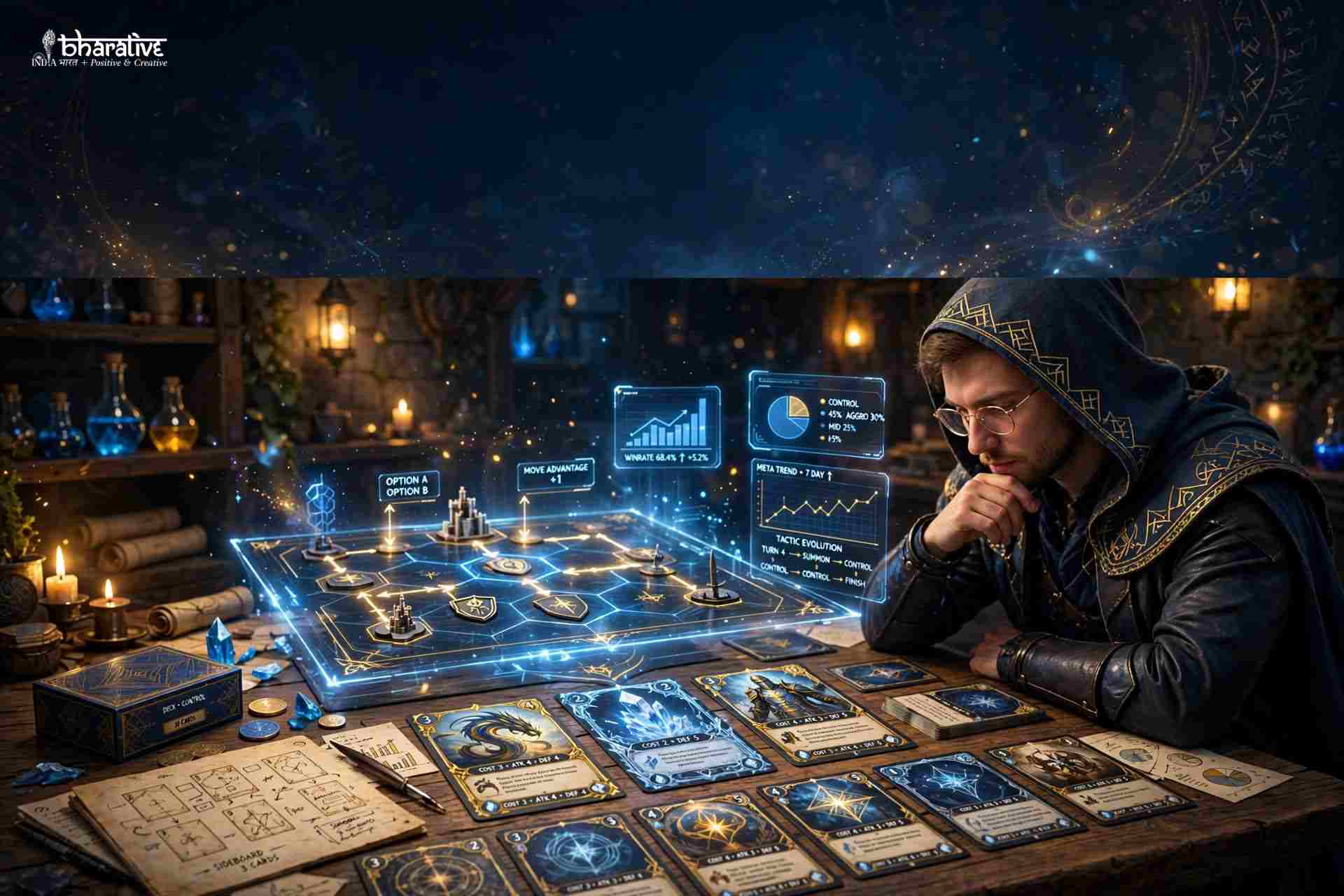
HearthStats Net News is presented as a resource for players who want to stay informed about Hearthstone strategies, deck trends, competitive events, and community discussions. Rather than relying entirely on guesswork or scattered forum posts, players can use gaming news and strategic analysis to better understand what is happening across the tavern.
Whether you are a casual player, a dedicated ladder climber, or an aspiring competitor, understanding the relationship between data, strategy, and experience can help you make more informed decisions.
Hearthstone News and Analytics: How the Game Has Evolved
Hearthstone strategy has developed considerably since the game’s early days. Players once depended heavily on personal experience, spreadsheets, and advice from streamers to determine which decks performed well. Today, deck statistics, tracking tools, strategy articles, and community discussions provide additional ways to evaluate performance.
HearthStats Net News is framed as a destination that brings several types of information together, including deck recommendations, balance updates, and esports coverage. The broader value of this approach lies in connecting statistics with explanations that help players understand why a strategy works.
Knowing which deck has a strong win rate is useful, but understanding how it performs against different opponents is even more valuable. A deck’s effectiveness can depend on the current card pool, player rank, popular matchups, and individual skill.
By considering both statistics and strategic context, players can make more thoughtful decisions about which decks to learn and how to improve their gameplay.
HearthStats Net News: Understanding the Current Meta
The Hearthstone meta is constantly evolving. New card releases, buffs, nerfs, and changes to available cards can affect deck popularity and competitive performance. A strategy that performs well one week may become less effective after players discover reliable counters.
HearthStats Net News is described as a resource for following these changes and understanding their possible impact. Meta analysis can help players identify emerging archetypes, evaluate established decks, and recognize opportunities to adjust their own strategies.
For example, if aggressive decks become increasingly common, a player might consider a control-oriented strategy with more removal and healing. If control decks dominate the ladder, a faster deck or one with stronger late-game value may be worth exploring.
The key is to avoid changing decks simply because a strategy is popular. Instead, consider your rank, preferred playstyle, card collection, and the opponents you encounter most often.
Why Context Matters More Than Raw Statistics
A deck’s win rate provides useful information, but the number alone does not tell the whole story.
Before choosing a deck, consider the following questions:
- Matchup performance: Does the deck perform well against the archetypes you regularly encounter?
- Rank and competition: Are the results based on players at a similar skill level to yours?
- Sample size: Is the reported performance based on enough games to offer a meaningful indication?
- Skill requirements: Does the deck require complex sequencing, precise resource management, or extensive matchup knowledge?
- Meta conditions: Are its strongest matchups common enough to make it a practical choice?
A deck with a high overall win rate might still struggle against the opponents you face most frequently. Looking beyond headline statistics helps you make better decisions and avoid investing time in a strategy that does not suit your situation.
Adapting Quickly to Balance Changes
Balance updates can significantly change the competitive environment. A nerf may weaken a popular deck, while a buff can make a previously overlooked card more attractive. New interactions may also emerge as players experiment with updated card pools.
Following patch notes and strategy discussions can help you understand which decks may benefit from these changes. However, early predictions should be treated as possibilities rather than guaranteed outcomes. It often takes time for the community to identify the strongest builds after an update.
Before crafting expensive cards or dismantling cards from your collection, review the available information and consider waiting for more reliable performance data when practical. This approach can reduce unnecessary spending of in-game resources.
Deck Tracking Guides and Practical Hearthstone Strategies
Deck lists are useful starting points, but copying a successful list does not automatically lead to better results. Players also need to understand mulligan decisions, card synergies, turn sequencing, and the matchups that influence how a deck should be played.
The article describes HearthStats Net News as offering deck recommendations alongside strategic explanations. These types of guides can help players move beyond copying cards and begin understanding the reasoning behind individual decisions.
Three important areas deserve particular attention.
1. Mulligan Strategy
The mulligan is the stage at the beginning of a match when you decide which opening cards to keep. The right choice depends on your deck, your opponent’s class, and the matchup you expect to face.
An aggressive deck may prioritize inexpensive cards that establish early pressure. A control deck might look for removal or defensive tools against a fast opponent. Some cards are powerful in one matchup but too slow to keep in another.
Learning matchup-specific mulligans can improve your early turns and help you follow your deck’s intended game plan.
2. Card Synergies and Combos
Individual cards become more powerful when used in combination with complementary effects. Understanding these interactions helps you identify efficient plays, build stronger turns, and avoid wasting important resources.
Study which combinations are essential to your strategy, which cards can be used independently, and which resources should be saved for later. Practice can also help you recognize when to prioritize immediate value over a larger combination that may never become available.
3. Technical Deck Adjustments
A successful deck list is not always the best list for every player or meta. Replacing a card may improve a difficult matchup, add consistency, or provide a response to a frequently encountered threat.
Make adjustments carefully. Change a small number of cards at a time, observe the results, and avoid judging a modification after only a handful of games. Tracking your own performance can help you distinguish a useful improvement from normal variation.
The Role of the Hearthstone Community
Hearthstone may be played one match at a time, but its wider community contributes significantly to how strategies develop. Players share deck lists, discuss card evaluations, analyze matchups, and explore interactions that may not be immediately obvious.
Community discussions associated with a gaming news resource can provide perspectives that differ from the conclusions of a single guide. A player might explain why a popular legendary card is less effective than expected, while another may suggest a new combination worth testing.
These conversations can be valuable, but not every suggestion is equally reliable. Consider the reasoning behind an argument, check whether it fits your rank and playstyle, and test promising ideas when possible.
Combining community experience with personal results gives you a more balanced approach to improving your game.
Esports News and Tournament Insights
Competitive Hearthstone offers a useful way to study advanced decision-making. Tournament matches reveal how experienced players evaluate risk, manage resources, plan several turns ahead, and respond to unexpected situations.
HearthStats Net News is presented as covering esports developments and tournament strategy. For players who want to improve, the most useful coverage goes beyond final standings and examines the choices that shaped a match.
Pay attention to deck lineups, matchup preparation, bans where the tournament format includes them, and the reasoning behind important plays. Competitive formats can differ from ranked ladder play, so tournament strategies should be adapted rather than copied blindly.
Learn From Experienced Players
Watching high-level gameplay can expose you to decisions that are difficult to recognize during your own matches. A player might choose a defensive move instead of dealing immediate damage, preserve a key card for a later turn, or take a calculated risk because of the opponent’s limited options.
When reviewing a match, pause and ask yourself what you would have played in the same situation. Then compare your choice with the player’s decision and consider the possible outcomes.
This habit can help you improve your understanding of tempo, value, resource management, and long-term planning.
Improving in Arena and Battlegrounds
Hearthstone offers more than the Standard ladder. Arena and Battlegrounds require different skills, and players can benefit from learning the mechanics and strategic priorities of each mode.
Arena: Drafting for Value and Tempo
Arena success depends on more than selecting the rarest or most exciting cards. Draft quality, curve balance, removal, card advantage, and tempo all influence how consistently a deck can perform.
Draft guides and card evaluations can help players compare options and identify cards that offer reliable value. A balanced deck with a coherent game plan may be more effective than a collection of individually powerful cards that do not work well together.
During matches, consider how each play affects your board, your available resources, and your ability to respond to the opponent. Reviewing draft decisions after a run can also reveal patterns that are worth improving.
Battlegrounds: Understanding Heroes and Minion Interactions
Battlegrounds revolves around a different set of decisions, including hero selection, minion choices, economy management, positioning, and adapting to the available minion pool.
Updates can change the relative strength of heroes, tribes, and strategies. Keeping up with reliable patch information and strategic discussions can help players understand how the mode is evolving.
Instead of following a build without considering the board, focus on the options available in your current game. Recognizing when to pursue a particular composition—and when to change direction—is an important part of making better decisions.
Technical Updates and Game Stability
Not every important gaming update involves cards or deck strategies. Technical issues, connection problems, and bugs can also affect the playing experience.
Keeping track of official announcements and credible community reports may help players identify known issues and understand whether a problem is widespread. This information can save time when troubleshooting an unexpected crash, connection failure, or unusual in-game interaction.
Before changing your setup or assuming that an issue is caused by your device, check whether an update or known technical problem could be involved. For confirmed bugs and urgent service information, prioritize official game announcements.
Technical reporting can be helpful, but reports should be verified before players rely on them to make decisions about competitive play.
Managing Your Hearthstone Collection and Resources
Building a useful card collection requires planning, particularly for players who have limited in-game currency and crafting resources. Dust and Gold should be spent with your preferred decks, upcoming releases, and the format you play most often in mind.
Collection-management guides and card evaluations can help you decide which cards are worth crafting. Before spending Dust on a legendary card, consider whether it is essential to a deck you intend to play, whether it appears in multiple strategies, and whether you already own the other cards required for the list.
It is also worth considering the risks of disenchanting cards. A card that appears weak today may become more useful after a balance update or a change in the meta. Check current rules and collection details before making irreversible decisions.
Plan Around Expansions and Rotation
Changes to the available card pool can affect the long-term value of a deck. If you mainly play Standard, consider upcoming rotations and the formats in which your cards remain usable.
Free-to-play players may benefit from focusing on a small number of competitive decks instead of spreading resources across several incomplete lists. Prioritize flexible cards and strategies that fit your playstyle, while leaving room to adapt when the game changes.
No crafting guide can guarantee that a card will remain competitive. Use recommendations as a starting point and weigh them against your own collection and goals.
Accessibility and User Experience
A gaming information resource is most useful when readers can quickly locate the information they need. Clear navigation, searchable articles, readable deck guides, and a mobile-friendly layout can make it easier to review strategies between matches.
The source article describes HearthStats Net News as offering convenient access to news, decks, statistics, and community discussions. These features, if available on the current platform, would help players move between general updates and specific strategic information.
Useful features to look for include:
- Simple navigation: Clear sections for news, decks, strategy guides, and statistics.
- Mobile usability: Pages that remain readable on smaller screens.
- Organized information: Articles and guides that make relevant details easy to find.
- Timely updates: Clear publication dates and explanations of which game version or patch the advice covers.
Because website features and availability can change, readers should check the current site directly to confirm its functionality and the freshness of its content.
Final Thoughts: Become a More Thoughtful Hearthstone Player
Improving at Hearthstone takes more than finding a powerful deck. Consistent progress comes from understanding matchups, learning card interactions, evaluating statistics carefully, and adapting when the meta changes.
HearthStats Net News is presented as a resource for bringing together deck strategies, meta discussions, esports insights, game updates, and collection advice. Used alongside official announcements, personal match reviews, and practical experimentation, this kind of information can help players make better-informed decisions.
Start with a deck that suits your collection and preferred playstyle. Learn its mulligans and key matchups, track your results, and make changes based on evidence rather than frustration after a loss.
The goal is not simply to copy the strongest deck. It is to understand why a strategy works, recognize when it needs to change, and make each match an opportunity to improve.
You may also like ...