
Supplement Information Theweeklyhealthiness: Your Ultimate Guide to Smarter Wellness Choices
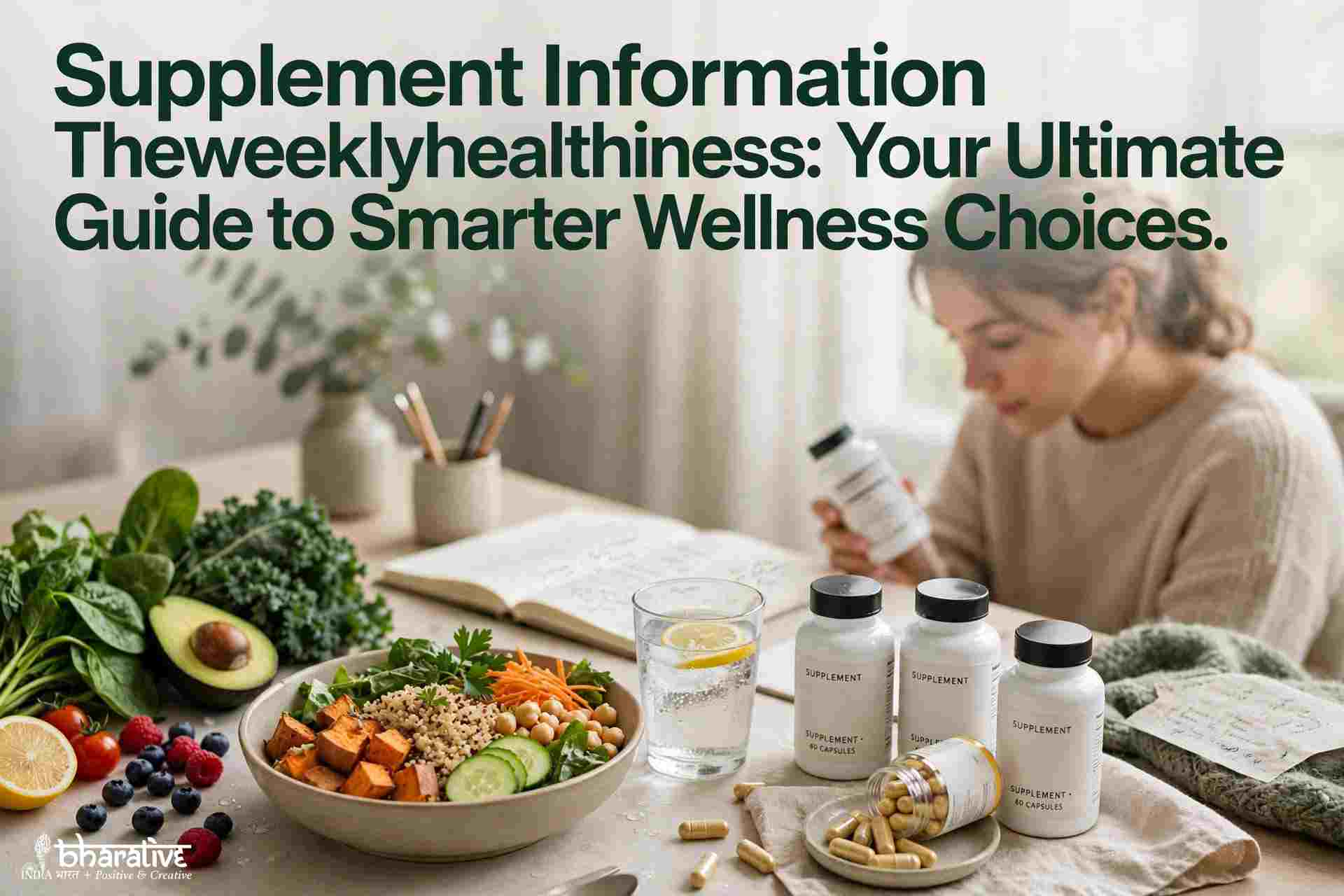
Navigating the world of health, nutrition, and dietary supplements can be challenging. New diets, fitness trends, and wellness products appear constantly, often accompanied by claims about better energy, improved immunity, muscle growth, and overall health. With so much conflicting information available, it can be difficult to determine which supplements are genuinely useful and which are unnecessary.
This is where reliable educational resources such as Theweeklyhealthiness can help readers make more informed wellness decisions. Understanding the purpose of supplements, recognizing nutritional needs, and learning how to evaluate product quality are important steps toward building a sensible health routine.
Dietary supplements may help address specific nutritional gaps, but they are not substitutes for a balanced diet, regular physical activity, adequate sleep, or appropriate medical care. Their usefulness depends on individual circumstances, including dietary habits, age, lifestyle, health conditions, and medication use.
This guide explores the different types of supplements, how to evaluate product labels, ways to use supplements responsibly, and common misconceptions that consumers should understand before making purchasing decisions.
Understanding the True Purpose of Supplements
Before exploring individual products, it is important to understand what dietary supplements are designed to do.
A healthy diet and balanced lifestyle should remain the foundation of good health. Fruits, vegetables, whole grains, protein-rich foods, healthy fats, and other nutrient-dense ingredients provide essential nutrients that support the body’s normal functions.
Supplements are intended to complement a person’s diet rather than replace healthy eating habits. They may help address nutritional deficiencies or increased nutrient requirements resulting from dietary restrictions, lifestyle factors, or certain health conditions.
For example:
- Vitamin B12: People following vegan diets may need a reliable source of vitamin B12 because naturally occurring B12 is primarily found in animal-derived foods.
- Vitamin D: Individuals with limited sun exposure or other risk factors may require an assessment of their vitamin D status.
- Iron: People with diagnosed iron deficiency may benefit from supplementation under professional guidance.
- Omega-3 fatty acids: People who consume little or no fish may wish to discuss alternative sources with a qualified healthcare professional.
The important principle promoted by Theweeklyhealthiness is that supplements should support an appropriate nutrition plan rather than become a shortcut to better health.
Think of your body as an engine. A balanced diet provides the essential fuel needed for everyday performance, while supplements may help address particular nutritional gaps when necessary. This perspective encourages long-term wellness habits instead of dependence on quick fixes.
Understanding the Different Types of Supplements
Walking through a supplement store or browsing online can feel overwhelming because of the number of available brands, ingredients, and product categories.
Understanding the main types of supplements makes it easier to research individual products and identify which ones may be relevant to your needs.
1. Vitamins and Minerals
Vitamins and minerals are essential micronutrients involved in many important bodily functions, including energy metabolism, immune function, bone maintenance, oxygen transport, and nerve signaling.
Common examples include:
- Vitamin C: Supports normal immune function and acts as an antioxidant.
- B-complex vitamins: Help the body convert food into usable energy.
- Vitamin D: Supports calcium absorption and bone health.
- Iron: Helps transport oxygen throughout the body.
- Magnesium: Contributes to normal muscle and nerve function.
- Calcium: Supports bones, teeth, and muscle function.
Nutritional deficiencies can affect health in different ways. However, taking additional vitamins or minerals does not necessarily improve health when nutritional requirements are already being met.
2. Botanical and Herbal Supplements
Botanical supplements are made from plants, herbs, roots, leaves, or other plant materials. Some have a long history of traditional use, while scientific research continues to investigate their potential benefits and limitations.
Examples include:
- Turmeric: Contains curcumin, a compound studied for its biological and anti-inflammatory properties.
- Ashwagandha: Traditionally used in wellness practices and researched for potential effects on stress and sleep.
- Echinacea: Commonly marketed for seasonal immune support, although evidence for its effectiveness is mixed.
Natural ingredients are not automatically safe. Herbal products can cause side effects, vary in quality, and interact with prescription medications. It is important to evaluate evidence and seek professional advice before using them.
3. Amino Acids and Protein Supplements
Protein and amino acid supplements are popular among athletes, fitness enthusiasts, and individuals who have difficulty meeting their protein requirements through food.
Common options include:
- Whey protein
- Casein protein
- Soy protein
- Pea protein
- Other plant-based protein blends
- Individual amino acid supplements
Protein provides amino acids that the body uses to maintain and repair tissues, including muscles. Protein powders can be convenient, but they are not essential for everyone.
Individual amino acids and branched-chain amino acids (BCAAs) are also marketed for exercise performance and recovery. However, their benefits depend on overall dietary protein intake, exercise habits, and individual requirements.
4. Omega-3 Fatty Acid Supplements
Omega-3 fatty acids are important fats involved in several functions throughout the body, including normal heart and brain function.
Common supplemental sources include:
- Fish oil
- Algal oil
- Other omega-3 formulations
People who do not regularly eat omega-3-rich foods may wish to discuss suitable dietary options with a healthcare professional. The need for supplementation depends on individual dietary patterns and health circumstances.
5. Probiotics
Probiotics are live microorganisms that may provide health benefits when consumed in appropriate amounts and under suitable conditions.
Different probiotic strains have been studied for specific digestive and other health-related purposes. However, not every probiotic product has the same effects, and benefits can vary depending on the strain and the individual.
A balanced diet containing a variety of plant foods can also help support a healthy gut environment.
Understanding these categories provides a useful starting point for researching supplements more carefully.
What Supplements Should You Buy for Your Specific Needs?
Choosing supplements should be a personal and evidence-based process. A product that is useful for one person may be unnecessary or unsuitable for someone else.
Theweeklyhealthiness encourages readers to consider their nutritional habits, lifestyle, wellness goals, and professional healthcare advice before purchasing supplements.
Assess Your Diet and Lifestyle
Start by examining your regular eating habits.
Consider questions such as:
- Do you follow a vegetarian or vegan diet?
- Do you regularly consume fruits and vegetables?
- Do you eat foods that provide essential fatty acids?
- Do you spend limited time outdoors?
- Are there particular foods you avoid?
- Do you have dietary restrictions that could affect nutrient intake?
These questions can help identify areas that may deserve further attention.
Understand Your Wellness Goals
Your goals can also influence which supplements you research.
For example, someone interested in muscle development may want to understand protein requirements, while someone following a restricted diet may need to investigate specific vitamins or minerals.
However, supplements should not be selected simply because they are trending or heavily promoted.
Seek Professional Advice
A registered dietitian, doctor, or other qualified healthcare professional can help assess your nutritional needs.
Depending on your circumstances, they may recommend reviewing your dietary habits, medical history, medications, or appropriate laboratory tests.
Professional guidance is particularly important if you are pregnant, breastfeeding, managing a medical condition, taking prescription medication, or considering high-dose supplements.
A thoughtful approach helps reduce unnecessary purchases and the risk of inappropriate supplementation.
Read Labels and Identify High-Quality Products
Once you understand your needs, the next step is learning how to evaluate supplement quality.
Dietary supplement quality can vary between manufacturers and products. Differences may include ingredient amounts, formulation, manufacturing practices, purity, and labeling accuracy.
A low price does not necessarily mean a product is poor quality, just as an expensive product is not automatically superior.
Before purchasing a supplement, examine the following features.
1. Look for Independent Quality Testing
Independent organizations such as USP, NSF, and ConsumerLab offer testing or certification programs for certain dietary supplements.
Depending on the program, testing may help verify product identity, ingredient content, manufacturing quality, or contamination limits.
A certification does not guarantee that a supplement is effective or appropriate for every individual. It is simply one factor to consider when evaluating product quality.
2. Examine the Supplement Facts Label
The Supplement Facts panel provides important information about a product’s ingredients and serving sizes.
Check:
- The amount of each active ingredient
- The recommended serving size
- The number of servings per container
- The percentage of Daily Value, where applicable
- Any relevant warnings or directions
Be cautious with proprietary blends that do not disclose the individual quantities of their ingredients. Without this information, it can be difficult to evaluate the actual amount of each component.
3. Review Other Ingredients
The ingredients section may list substances used for flavor, color, preservation, binding, or manufacturing purposes.
Review this information if you have allergies, food sensitivities, dietary restrictions, or preferences regarding particular additives.
Also check for potential allergens and ingredients that may be unsuitable for your circumstances.
4. Check the Manufacturer’s Information
Look for a clearly identified manufacturer, contact information, batch or lot number, expiry date, and storage instructions.
Avoid products with unclear labeling, exaggerated health claims, or promises of guaranteed results.
Taking time to examine these details can help you make more informed purchasing decisions.
How to Safely and Effectively Supplement Your Diet
Selecting a suitable product is only one part of responsible supplement use. Dosage, timing, possible interactions, and individual tolerance also matter.
Different supplements have different absorption requirements, so there is no single timing rule that applies to every product.
Here are some important considerations.
Understand Fat-Soluble Vitamins
Vitamins A, D, E, and K are fat-soluble nutrients. They are absorbed along with dietary fats, so taking these vitamins with a meal may support absorption.
However, the appropriate dosage should depend on individual requirements and professional advice.
Consider Iron and Vitamin C
Vitamin C can improve the absorption of non-heme iron, which is the form of iron found in plant foods and many supplements.
Calcium may interfere with iron absorption in certain circumstances. People taking both supplements should ask a healthcare professional or pharmacist about appropriate timing.
Iron supplements should not be taken unnecessarily because excessive iron intake can be harmful.
Follow Product-Specific Instructions
Probiotic products vary in their strains and formulations. Some may have specific storage or consumption instructions.
Rather than assuming all probiotics should be taken on an empty stomach, follow the manufacturer’s directions and seek professional advice when necessary.
Introduce Supplements Carefully
If you are starting a new supplement, avoid introducing several products simultaneously without professional guidance.
Adding products one at a time, when appropriate, can make it easier to identify possible side effects or unexpected reactions.
Consistency is useful when a supplement is genuinely needed, but taking more than the recommended amount does not improve its effectiveness.
Common Supplement Myths and Misconceptions Debunked
The supplement industry includes useful products, but marketing claims can sometimes create unrealistic expectations.
Understanding common misconceptions helps consumers make more balanced decisions.
Myth 1: More Supplements Mean Better Results
This is one of the most important misconceptions to avoid.
Taking excessive amounts of certain nutrients can cause harmful effects. Fat-soluble vitamins may accumulate in the body, while excessive iron intake can lead to serious health problems.
Always follow appropriate dosage instructions and avoid combining multiple products without checking their ingredients.
Myth 2: Supplements Can Replace a Healthy Lifestyle
Supplements cannot compensate for an unbalanced diet, insufficient sleep, physical inactivity, or other unhealthy habits.
A balanced diet, regular movement, adequate rest, and appropriate healthcare remain central to long-term wellness.
Supplements may have a role when specific nutritional needs exist, but they should not be treated as replacements for these habits.
Myth 3: Natural Supplements Are Always Safe
Natural ingredients can still have powerful biological effects.
Some herbal products may interact with medications or cause unwanted side effects. For example, St. John’s wort can interact with several prescription medicines, including some hormonal contraceptives and antidepressants.
Always discuss herbal products with a healthcare professional or pharmacist if you take medication.
Myth 4: Every Popular Supplement Is Necessary
A supplement’s popularity does not prove that everyone needs it.
Individual requirements differ, and some people may already obtain sufficient nutrients through their regular diet.
Evaluate the evidence and your personal needs instead of following trends.
Adding Supplements to Your Daily Routine
When a supplement has been recommended or identified as appropriate, building a consistent routine can make it easier to follow the directions.
Simple organizational habits can help reduce missed doses and confusion.
Connect Supplement Use With an Existing Habit
You can associate an appropriate supplement with an activity you already perform regularly, such as eating breakfast or preparing for the day.
This technique, sometimes called habit stacking, can make a new routine easier to maintain.
Use a Reminder System
A smartphone alarm, calendar reminder, or daily checklist can help you remember when a supplement is due.
A weekly organizer may also be useful for certain products, provided the storage instructions allow it.
Store Products Correctly
Keep supplements in accordance with their packaging instructions. Some products require protection from heat, moisture, or direct sunlight.
Keep all supplements away from children and pets, preferably in their original containers.
Avoid Unnecessary Complexity
A supplement routine does not need to include numerous products. Focus on those that address a genuine nutritional need and follow the recommended directions.
The goal is to make responsible supplement use manageable rather than turning it into a complicated daily task.
Listening to Your Body and Adjusting as Needed
Nutritional requirements can change over time. Age, dietary habits, activity levels, pregnancy, health conditions, and certain medications may influence nutrient needs.
For this reason, a supplement routine should not be considered permanent.
Pay attention to changes in your overall well-being, but remember that improvements or symptoms cannot always be attributed to a particular supplement.
You may find it helpful to maintain a simple journal that records:
- Which supplements you take
- The dosage and frequency
- Changes in your diet or lifestyle
- Any unexpected symptoms
- Questions to discuss with your healthcare professional
If you experience side effects, stop and seek appropriate medical advice rather than automatically increasing or changing the dosage.
It is also sensible to review your supplement routine periodically with a qualified professional. A product that was once useful may no longer be necessary if your dietary habits or health circumstances have changed.
Theweeklyhealthiness emphasizes informed self-assessment as part of a broader approach to wellness. Understanding your changing needs can help you make more responsible decisions.
Last Thoughts for Your Wellness Journey
Building a healthier lifestyle is a gradual process that requires informed decisions, consistency, and realistic expectations.
Dietary supplements may support specific nutritional needs, but their usefulness depends on choosing appropriate products and using them responsibly.
The key principles of smarter supplement choices include understanding your diet, identifying potential nutritional gaps, researching product quality, checking ingredient labels, and seeking professional advice when necessary.
Theweeklyhealthiness represents an educational approach to navigating the often-confusing world of supplements. By focusing on balanced information rather than marketing trends, readers can develop a clearer understanding of how supplements fit into a wider wellness routine.
Remember that whole foods, regular physical activity, sufficient sleep, and appropriate healthcare should remain the foundation of your health strategy.
You do not need to follow every wellness trend or purchase every popular supplement. Instead, focus on what your body actually needs and make decisions based on reliable information.
With patience, critical thinking, and responsible choices, you can build a more sustainable approach to nutrition and everyday well-being.
Frequently Asked Questions About Supplement Information Theweeklyhealthiness
What is Supplement Information Theweeklyhealthiness?
Supplement Information Theweeklyhealthiness refers to an educational approach to understanding dietary supplements, including their purpose, different categories, product quality, safe use, and role in a balanced wellness routine.
Are dietary supplements necessary for everyone?
No. Supplement requirements vary between individuals. Some people may need supplements to address nutritional deficiencies or specific dietary requirements, while others may obtain sufficient nutrients from food.
How can I choose a high-quality supplement?
Review the Supplement Facts label, ingredient amounts, manufacturer details, expiry date, and relevant independent testing or certification. Avoid products that make unrealistic health claims.
Can supplements replace a healthy diet?
No. Supplements are designed to complement dietary intake, not replace a balanced diet or healthy lifestyle.
Is it safe to take multiple supplements together?
Not always. Some ingredients can overlap, interact with medications, or cause excessive nutrient intake. Consult a qualified healthcare professional before combining multiple products.
Should I consult a doctor before taking supplements?
Professional advice is particularly important if you have a medical condition, take medication, are pregnant or breastfeeding, or are considering high-dose supplements.
Conclusion
Making smarter wellness choices begins with understanding your individual nutritional needs and learning how to evaluate health information critically.
Supplement Information Theweeklyhealthiness provides a useful framework for exploring vitamins, minerals, herbal products, protein supplements, omega-3 fatty acids, and probiotics while emphasizing responsible product selection.
Rather than chasing trends or expecting instant results, focus on balanced nutrition, evidence-based decisions, and professional guidance. Supplements can have a role in a healthy lifestyle when they are appropriate for your needs and used correctly.
Disclaimer
This article is intended for general educational and informational purposes only. It does not provide medical advice, diagnosis, or treatment recommendations. Dietary supplement requirements and safety vary between individuals. Supplements may cause side effects or interact with medications. Consult a qualified healthcare professional before starting, changing, or combining supplements, particularly if you have an existing medical condition, are pregnant or breastfeeding, or take prescription medication. Product certifications do not guarantee effectiveness or suitability for every individual.
You may also like ...