
Do the Driving Modes in Cadillac Lyriq Offer Different Ranges or Battery Usages?
Introduction
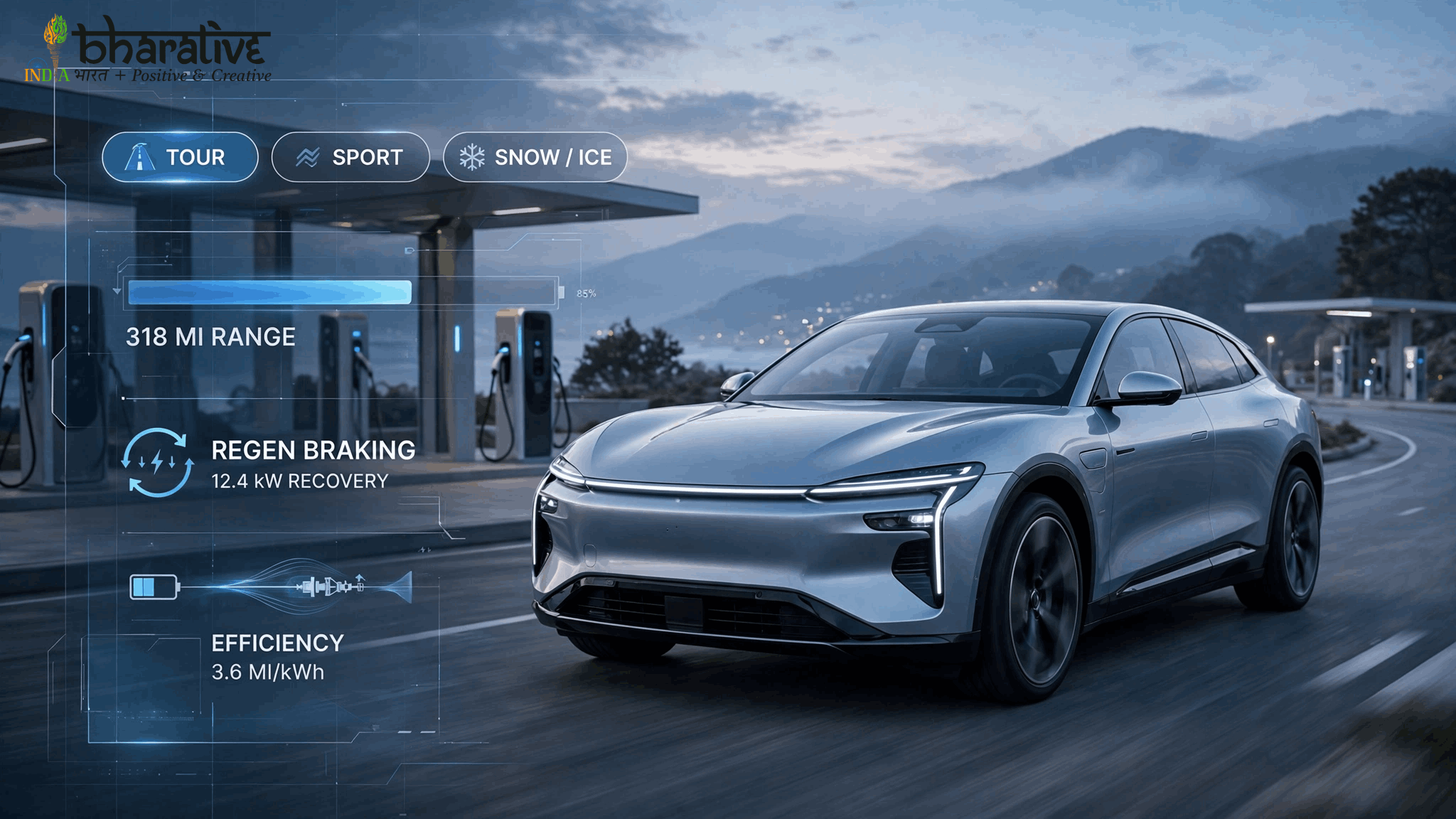
The Cadillac Lyriq is designed to combine luxury, performance, and advanced electric-vehicle technology in one package. Among its technology-focused features are multiple driving settings that allow drivers to adjust how the vehicle responds to different road conditions and driving preferences.
One common question for Lyriq owners and potential buyers is whether these driving modes actually change the vehicle’s range or battery consumption.
The short answer is yes, driving mode can influence energy consumption, but the effect depends heavily on how the vehicle is driven and the conditions around it. Acceleration habits, climate control, road temperature, terrain, traffic, tire pressure, and regenerative braking can all have a significant effect on real-world range.
Understanding what each setting does can therefore help drivers choose the right mode for comfort, traction, performance, or efficiency.
Understanding Driving Modes in the Cadillac Lyriq
The Lyriq offers settings intended to change aspects of the driving experience. Depending on model year, trim, drivetrain, and software configuration, available settings can include:
- Tour Mode
- Sport Mode
- Snow/Ice Mode
- My Mode
- Regen on Demand
- One-Pedal Driving
Not all of these function in exactly the same way. Some change vehicle response, while regenerative-braking features primarily affect how the vehicle slows down and recovers energy.
Because Cadillac can change equipment and software between model years, drivers should check their vehicle’s owner’s manual for the exact features available on their particular Lyriq.
Tour Mode: A Balanced Everyday Setting
Tour Mode is designed for normal everyday driving. Its emphasis is on smooth acceleration, predictable handling, and a comfortable driving experience.
For many drivers, this makes Tour Mode a practical choice when efficiency is a priority.
How Tour Mode Can Affect Battery Consumption
Tour Mode itself does not magically create additional battery capacity. Instead, its relatively balanced response can make it easier for a driver to maintain smooth acceleration and avoid unnecessary power demand.
Energy consumption can remain lower when drivers:
- Accelerate gradually
- Maintain steady speeds
- Avoid repeated hard acceleration
- Use regenerative braking effectively
- Minimize unnecessary HVAC demand
Therefore, Tour Mode can be a sensible choice for maximizing practical range, although actual results will vary considerably.
Sport Mode: Performance Comes First
Sport Mode is intended for drivers who want a more responsive and engaging driving experience.
Electric vehicles can deliver substantial torque almost instantly, and enthusiastic acceleration can consume considerably more energy than gentle throttle inputs.
Does Sport Mode Reduce Range?
Potentially, yes, but the key factor is how the driver uses the mode.
If Sport Mode encourages frequent hard acceleration, higher speeds, and aggressive driving, battery consumption will increase. The additional energy demand comes primarily from the driving behavior rather than simply selecting the mode.
Regenerative braking during deceleration can recover some energy, but regeneration cannot fully replace the energy used during acceleration.
For drivers focused strictly on maximizing range, frequent spirited driving is generally less efficient than smooth, moderate driving.
Snow/Ice Mode: Designed for Traction
Snow/Ice Mode is intended for situations where road surfaces provide reduced traction.
The vehicle can modify its response to help the driver maintain control on slippery surfaces. The goal here is not maximum acceleration or minimum energy consumption. Instead, stability and predictable power delivery become more important.
Battery Usage in Snow/Ice Conditions
Snow/Ice Mode does not necessarily mean the battery will drain dramatically faster. However, the conditions in which drivers typically use this mode can have a much larger effect on range.
Cold weather can reduce EV efficiency, while cabin heating and other climate-control demands can also increase electrical consumption.
That means a winter drive can use more energy even when the driver is using a conservative driving mode.
My Mode: Personalizing the Driving Experience
My Mode, where available, provides additional customization of certain driving characteristics.
This makes its effect on energy consumption more dependent on the driver’s selected settings and driving habits.
A conservative configuration combined with smooth acceleration can support efficient driving. A performance-oriented configuration may encourage stronger acceleration and consequently higher energy consumption.
This makes My Mode less about having a fixed efficiency rating and more about giving the driver control over the driving experience.
Regen on Demand and One-Pedal Driving
Regenerative braking deserves special attention because it can affect how energy is managed during everyday driving.
Regen on Demand
Regen on Demand allows the driver to increase regenerative braking when slowing the vehicle. Instead of allowing kinetic energy to be completely lost as heat through conventional friction braking, regenerative systems can convert some of that energy back into electrical energy.
One-Pedal Driving
One-Pedal Driving increases the role of regenerative braking when the accelerator is released. It can be particularly useful in urban environments where frequent acceleration and deceleration are required.
However, regenerative braking should not be viewed as a way to generate free energy. Energy is always lost through various parts of the driving process. Regeneration simply allows some otherwise wasted kinetic energy to be recovered.
What Really Determines Lyriq Range?
Driving mode is only one factor in overall EV efficiency.
Several other variables can have an equal or greater effect.
Speed
Highway driving at elevated speeds generally requires more energy because aerodynamic resistance increases significantly with speed.
Temperature
Cold weather can reduce battery efficiency and increase heating requirements. Extremely hot conditions can also increase energy consumption because of cooling and battery thermal-management needs.
Climate Control
Heating and air conditioning consume electricity. In an EV, that energy ultimately comes from the same battery that powers the vehicle.
Terrain
Steep climbs require substantial energy. Descending can recover some energy through regenerative braking, but the recovered energy will not necessarily equal what was consumed climbing the hill.
Traffic
Stop-and-go traffic can increase energy consumption through repeated acceleration, although regenerative braking can recover part of the energy during deceleration.
Tire Pressure
Incorrect tire pressure can increase rolling resistance and reduce efficiency.
City Driving vs Highway Driving
The best driving approach can depend on where the Lyriq is being driven.
Urban Driving
City traffic involves frequent stops and starts, making regenerative braking particularly useful. One-Pedal Driving and Regen on Demand can help drivers manage repeated deceleration smoothly.
Highway Driving
On highways, maintaining a consistent speed and avoiding unnecessary acceleration can have a larger effect on efficiency. Aerodynamic drag becomes increasingly important as speed rises.
In both situations, smooth driving is generally more important than simply selecting one particular mode.
How to Maximize Cadillac Lyriq Range
Drivers looking to get more distance from each charge can adopt several practical habits.
- Use a smooth and predictable acceleration style.
- Maintain reasonable highway speeds.
- Use regenerative braking appropriately.
- Take advantage of One-Pedal Driving where it feels comfortable.
- Avoid unnecessary hard acceleration.
- Maintain correct tire pressure.
- Precondition the cabin while the vehicle is charging when practical.
- Reduce unnecessary heating or cooling demand.
- Plan routes around traffic and steep terrain when possible.
These habits can make a meaningful difference without requiring drivers to sacrifice comfort.
Does Sport Mode Always Use More Battery?
Not necessarily.
Selecting Sport Mode does not automatically mean the battery will drain at a dramatically higher rate. The larger factor is how the vehicle is driven after the mode is selected.
A driver can select a performance-oriented mode and still drive gently. Conversely, a driver in Tour Mode can consume substantial energy through repeated hard acceleration and high-speed driving.
The important distinction is between vehicle settings and driver behavior.
Does One-Pedal Driving Guarantee Better Range?
No.
One-Pedal Driving can improve energy recovery in situations involving frequent deceleration, particularly in city traffic. However, it does not guarantee a specific range improvement.
Its effectiveness depends on traffic patterns, terrain, speed, driving technique, and how often the vehicle needs to slow down.
The best approach is to use regenerative braking naturally and avoid accelerating when unnecessary.
A Practical Comparison of Driving Settings
| Setting | Primary Purpose | Potential Efficiency Effect |
|---|---|---|
| Tour | Everyday comfort and balance | Generally suitable for efficient driving |
| Sport | Responsive performance | Can increase consumption when driven aggressively |
| Snow/Ice | Low-traction conditions | Efficiency depends heavily on weather and road conditions |
| My Mode | Driver customization | Depends on selected configuration |
| Regen on Demand | Increased regenerative braking | Can recover energy during deceleration |
| One-Pedal Driving | Stronger regenerative driving experience | Particularly useful in stop-and-go conditions |
This comparison should be treated as a general guide rather than a guarantee of a specific range difference.
The Most Important Takeaway
If the goal is maximum range, the driving mode matters, but driving behavior matters even more.
Smooth acceleration, moderate speed, efficient climate-control use, correct tire pressure, and appropriate regenerative braking can all contribute to better real-world efficiency.
For everyday use, Tour Mode combined with smooth driving is a sensible starting point. Sport Mode can be used when performance is the priority, while Snow/Ice Mode is appropriate when traction conditions require it.
Frequently Asked Questions
Do different Cadillac Lyriq driving modes change battery usage?
They can influence energy consumption by changing vehicle response and the way the driver operates the vehicle. However, the actual difference depends heavily on driving style and environmental conditions.
Which Lyriq mode is best for range?
Tour Mode is generally the most sensible starting point for efficiency, but smooth driving habits are more important than relying on a specific mode.
Does Sport Mode drain the battery faster?
Sport Mode can lead to higher consumption when it is used for frequent hard acceleration and performance driving.
Can regenerative braking improve Lyriq efficiency?
Regenerative braking can recover some energy during deceleration and may be especially useful in stop-and-go traffic or on descents.
Does cold weather affect Lyriq range?
Yes. Low temperatures can reduce EV efficiency and increase energy demand for cabin heating and thermal management.
Is One-Pedal Driving better for battery range?
It can help recover energy during deceleration, but it does not guarantee a specific range increase. Its benefit depends on driving conditions and technique.
Conclusion
The answer to “Do the driving modes in Cadillac Lyriq offer different ranges or battery usages?” is nuanced. Different settings can influence how the vehicle responds and how energy is consumed, but there is no universal range difference that applies to every driver or situation.
Tour Mode is a practical choice for everyday efficiency, while Sport Mode prioritizes responsiveness. Snow/Ice Mode focuses on traction, and customizable settings allow drivers to tailor the experience. Regenerative features such as Regen on Demand and One-Pedal Driving can help recover energy during deceleration.
Ultimately, the biggest influence on Lyriq range is the combination of driving style, speed, temperature, terrain, traffic, climate control, and vehicle configuration. Understanding these factors allows Lyriq drivers to make smarter choices and get the most practical range from every charge.
You may also like ...