
What Is a Lobotomy Piercing? Meaning, Placement, Style, Risks, and Aftercare
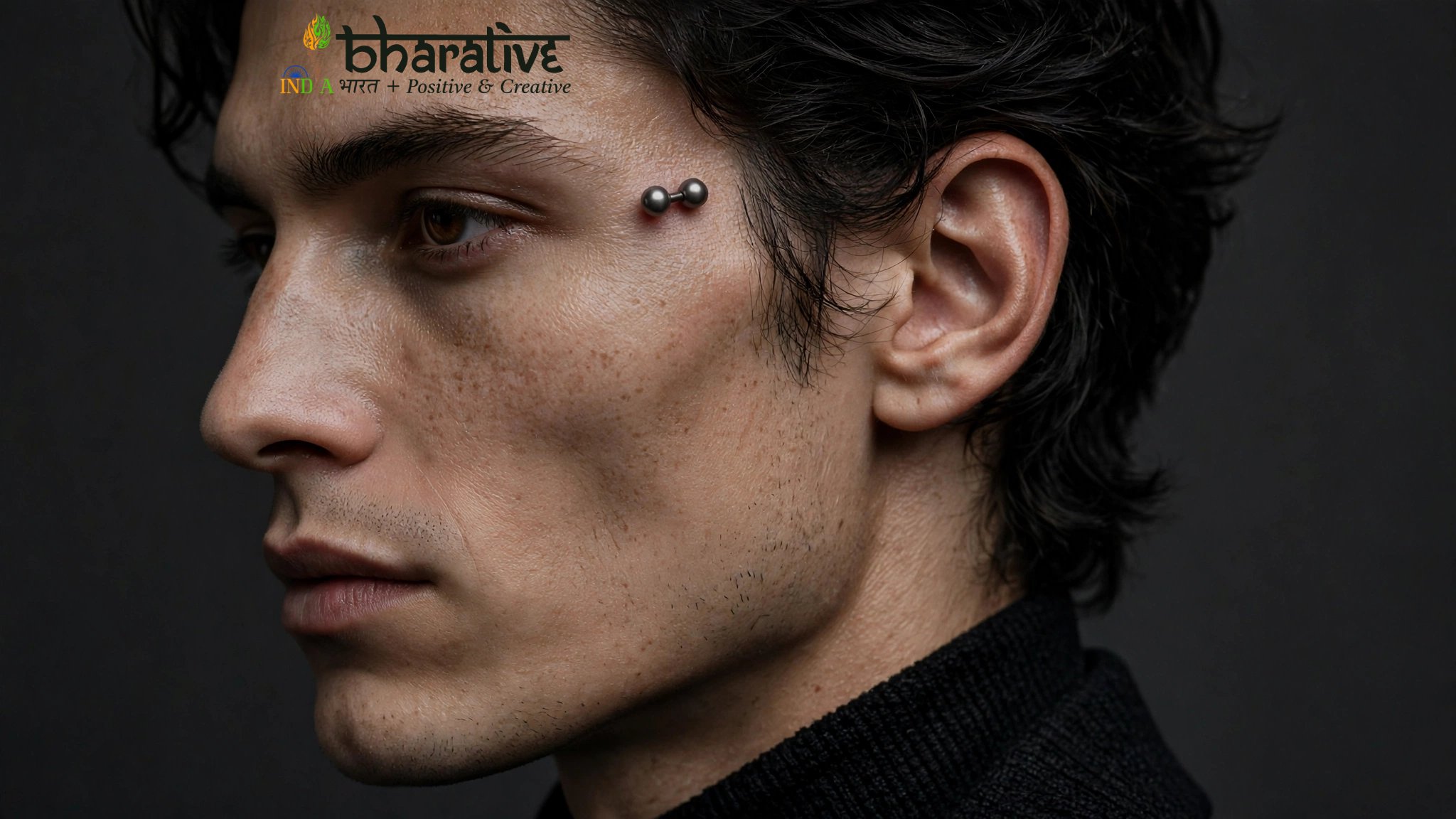
A lobotomy piercing is an unusual and highly distinctive type of body modification that has attracted attention because of its dramatic name and unconventional appearance. Unlike the medical procedure that inspired its name, a lobotomy piercing has nothing to do with the brain or neurosurgery. The term is generally used within body-modification communities to describe an extreme-looking piercing associated with the upper ear or temple area.
Because terminology can vary between piercers and body-modification communities, anyone considering this style should verify exactly what a practitioner means by “lobotomy piercing” before making an appointment. Its unusual placement can also make anatomy, healing, and professional expertise especially important.
What Is a Lobotomy Piercing?
A lobotomy piercing is generally described as an unconventional piercing placed around the upper ear and temple-side area. Its visual effect can make the jewelry appear to extend unusually close to the side of the head.
The piercing is primarily chosen for its avant-garde appearance rather than for any traditional cultural meaning. Depending on the anatomy and technique involved, the jewelry may create a striking horizontal or floating effect.
It is important to understand that the piercing does not involve the brain or skull. The name is a provocative reference to the historical term “lobotomy,” not an indication that the procedure enters the head.
Why Is It Called a Lobotomy Piercing?
The name can sound alarming because a lobotomy was a historical neurosurgical procedure involving the brain. That medical history has no direct relationship to the piercing itself.
The term appears to be connected mainly to the piercing’s unusual visual placement and its intentionally provocative aesthetic. Body-modification communities have long used dramatic names for experimental or unconventional styles, and this is one example.
Because “lobotomy piercing” is not necessarily a standardized medical or professional piercing classification, descriptions can differ from one source or piercer to another.
What Does a Lobotomy Piercing Look Like?
The exact appearance depends heavily on anatomy, jewelry, and placement.
Common visual characteristics may include:
- An unusual position around the upper ear or temple-side region
- A horizontal or elongated appearance
- Minimalist metal jewelry
- A floating or illusion-like visual effect
- A futuristic or alternative aesthetic
The final result can look very different from conventional helix, conch, tragus, or lobe piercings.
Why Do People Choose This Type of Piercing?
People choose unconventional piercings for many different reasons. For some, the attraction is simply visual. For others, body modification represents individuality and experimentation.
Unique Appearance
The unusual placement can create a look that stands apart from conventional ear piercings.
Personal Expression
Alternative piercings can become a form of self-expression, allowing someone to communicate their personal style without relying on conventional fashion.
Body-Modification Culture
Some enthusiasts enjoy exploring increasingly creative approaches to jewelry placement and body art.
Conversation Starter
Because of its unusual name and appearance, this type of piercing can naturally attract attention and questions.
Is a Lobotomy Piercing Actually Safe?
Safety depends largely on the exact placement, the individual’s anatomy, the jewelry, the technique, and the experience of the professional performing it.
This is especially important because terminology surrounding unusual piercings can be inconsistent. A person may use the term “lobotomy piercing” to describe a placement that another professional would classify differently.
Before getting one, ask the piercer to explain:
- Exactly where the piercing will be placed
- What tissue will be pierced
- What jewelry will be used
- Expected healing time
- Possible complications
- Whether your anatomy is suitable
A qualified professional should be willing to explain these details before performing the procedure.
Potential Risks
As with other piercings, complications can occur. Unusual cartilage or surface placements may require particularly careful consideration.
Potential problems can include:
- Infection
- Excessive swelling
- Irritation
- Migration
- Rejection
- Scarring
- Delayed healing
- Jewelry-related trauma
- Damage to surrounding tissue
If there is severe pain, rapidly increasing swelling, significant discharge, fever, or other concerning symptoms, professional medical advice should be sought.
Choosing the Right Piercer
Finding an experienced professional is one of the most important decisions when considering an unconventional piercing.
Look for a piercer who:
- Has experience with complex cartilage or unusual placements.
- Performs an anatomy assessment before agreeing to the piercing.
- Uses appropriate sterilization procedures.
- Uses high-quality, body-safe jewelry.
- Clearly explains risks and aftercare.
- Is willing to refuse the procedure if the placement isn’t appropriate.
Be cautious of anyone who promises a complicated piercing is completely risk-free.
Jewelry Options
Jewelry selection should be based on anatomy, placement, healing requirements, and professional advice rather than appearance alone.
Depending on the specific piercing, jewelry may include specialized barbells or other appropriately sized pieces.
Implant-grade titanium is commonly favored for many fresh piercings because it is lightweight and generally well tolerated. The correct size and shape are equally important because jewelry that is too tight, heavy, or poorly fitted can increase irritation.
Don’t choose jewelry solely because it looks good in photographs. The piece that works for one person’s anatomy may not be appropriate for someone else.
How Painful Is It?
Pain varies significantly between individuals and depends on the exact location and technique.
A complex piercing involving cartilage or tissue near the upper ear may feel more intense than a standard earlobe piercing. Swelling and tenderness afterward are also possible.
Rather than relying on someone else’s pain rating, discuss the procedure with an experienced piercer who can explain what to expect based on your anatomy.
Healing and Aftercare
Healing times can vary considerably depending on the placement and type of piercing. Complex piercings may require substantially more patience than a simple lobe piercing.
General professional piercing aftercare commonly includes:
- Wash your hands before touching the area.
- Clean according to your piercer’s instructions.
- Avoid unnecessary touching or twisting of the jewelry.
- Avoid pressure and friction while the piercing heals.
- Keep headphones, helmets, hats, and other accessories from irritating the area.
- Don’t remove jewelry prematurely unless advised by a qualified professional.
- Avoid swimming or exposing a fresh piercing to potentially contaminated water when advised by your piercer.
A piercing can look healed externally before the underlying tissue has completely recovered, so patience is important.
What About Sleeping on It?
Pressure is one of the biggest practical concerns with unusual ear piercings.
Sleeping directly on a fresh piercing can cause irritation, swelling, movement, and prolonged healing. If the placement is close to areas that contact pillows, glasses, headphones, helmets, or other accessories, discuss these lifestyle factors with the piercer beforehand.
Your daily routine can determine whether the piercing is practical for you.
Is It Suitable for Everyone?
No piercing is suitable for every person or every anatomy.
Before deciding, consider:
- Your ear anatomy
- Your lifestyle
- Your work requirements
- Helmet or headphone use
- Your ability to follow aftercare instructions
- Your tolerance for a potentially long healing process
- Access to an experienced professional
A responsible piercer should assess these factors rather than simply agreeing to perform the procedure.
Lobotomy Piercing vs. Traditional Ear Piercings
The biggest difference is its unconventional placement and visual impact.
Traditional piercings such as lobes and standard helix piercings are widely understood and commonly performed. A piercing described as a “lobotomy piercing” may involve a much more unusual location and therefore requires greater attention to anatomy and professional expertise.
That distinction is important because a dramatic appearance should never take priority over safe placement.
Is the Name Connected to Mental Health?
The term can understandably raise questions because of the history of lobotomy as a psychiatric treatment. Some people may find the name provocative or uncomfortable, while others may view it simply as an edgy body-modification term.
There isn’t a single universal interpretation of the name. Anyone using or discussing the term should recognize its historical association and avoid treating the medical procedure and the piercing as if they were literally connected.
Questions to Ask Before Getting One
Before booking an appointment, consider asking the piercer:
- What exactly do you mean by “lobotomy piercing”?
- Where would the jewelry sit on my anatomy?
- What type of tissue would be pierced?
- What jewelry material and size do you recommend?
- What complications are possible?
- How long could healing take?
- Can I comfortably sleep, work, or wear headphones afterward?
- What aftercare routine do you recommend?
- What should I do if I experience unusual swelling or pain?
A professional who provides clear answers is a much better choice than someone who focuses only on the appearance.
Final Thoughts: What Is a Lobotomy Piercing?
So, what is a lobotomy piercing? The term generally refers to an unconventional and dramatic body-modification style associated with the upper ear or temple-side area. Despite its provocative name, it does not involve the brain or a surgical lobotomy.
Its unusual appearance makes it appealing to people interested in alternative fashion and body modification, but the same unusual placement means that anatomy, jewelry selection, professional expertise, and aftercare deserve serious attention.
If you’re considering one, don’t choose a piercer based solely on photographs. Find an experienced professional, ask exactly what procedure they are proposing, understand the risks, and make sure the placement is appropriate for your anatomy and lifestyle.
You may also like ...