GetWhoCares.com for Gamers: A Deep Dive into Gaming’s New Home
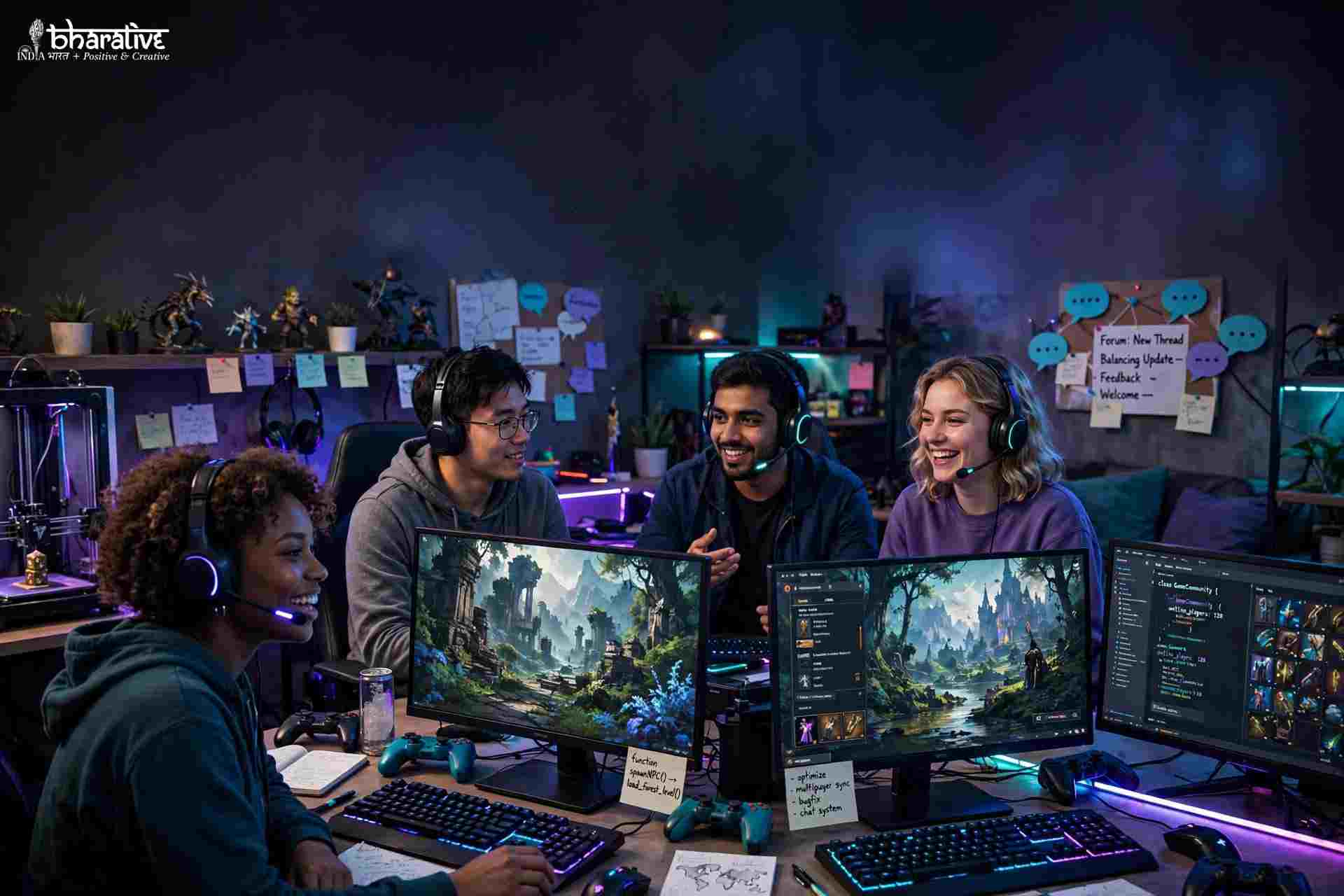
The online gaming world has grown into a massive digital ecosystem where millions of players connect through social networks, streaming platforms, discussion forums, and multiplayer communities. However, despite the increasing number of gaming websites, finding a space that encourages meaningful conversations and genuine connections can still be challenging.
Many popular gaming platforms prioritize trending content, follower counts, advertisements, and algorithm-driven recommendations. While these features can help users discover entertainment, they do not always encourage the personal interactions that made early online gaming communities memorable.
GetWhoCares.com for Gamers is presented as a community-focused gaming destination built around a different idea: gaming should be about shared experiences, authentic discussions, creativity, and connections between players.
The concept appeals to gamers who want to discuss their favorite titles, discover independent games, participate in community activities, and connect with people who share their interests.
But what makes GetWhoCares.com different from traditional gaming platforms? What features does it claim to offer, and how could its approach influence the future of online gaming communities?
This guide explores its community philosophy, described features, support for independent developers, digital wellness approach, and proposed future developments.
What Makes GetWhoCares.com Different From Other Gaming Platforms?
Modern gaming communities often exist within large social media platforms where visibility depends on engagement metrics, popularity, and content recommendation systems.
These environments provide opportunities for creators and gamers, but they can also make smaller conversations difficult to discover.
GetWhoCares.com is described as taking a community-first approach that emphasizes meaningful interaction over social media popularity.
Instead of encouraging users to compete for followers or online recognition, the concept focuses on allowing people to participate because they genuinely enjoy gaming.
A Community Built Around Shared Interests
The central idea behind GetWhoCares.com is that every gamer should have an opportunity to participate, regardless of experience, gaming platform, or audience size.
Someone who enjoys competitive multiplayer games should be able to exchange strategies with other players. A fan of classic role-playing games should have space to discuss memorable stories and characters.
Similarly, someone who plays casual mobile games should not feel excluded from conversations simply because their preferred games are different.
This approach reflects the welcoming atmosphere many players associate with traditional gaming forums and local gaming communities.
Meaningful Conversations Instead of Popularity Metrics
Social media engagement numbers do not necessarily reflect the value of a conversation.
A discussion about an overlooked independent game may attract fewer participants than a trending gaming announcement, but it can still be highly valuable to those involved.
The GetWhoCares.com concept emphasizes the importance of thoughtful discussions, personal recommendations, and shared experiences.
By focusing on participation rather than popularity, a gaming community can encourage users to express themselves more openly.
Authentic Gaming Discussions and Community Interaction
One of the most important aspects of an online gaming community is the quality of its discussions.
Players join gaming forums for many reasons. Some want technical assistance, others want gameplay advice, and many simply enjoy talking about the games that have influenced their lives.
The source article describes GetWhoCares.com as encouraging discussions that go beyond conventional game reviews and competitive comparisons.
Conversations That Go Beyond Game Titles
Traditional gaming forums frequently organize discussions around specific games, consoles, or genres.
GetWhoCares.com is described as supporting a broader approach where conversations may focus on emotions, memories, and personal experiences.
Examples mentioned in the source include:
- Games That Saved Me: Discussions about games that helped players through difficult periods.
- Play Now, Regret Later: A lighthearted space for sharing funny gaming mistakes and unexpected failures.
- If I Could Replay One Game: Conversations about memorable games that players would love to experience again for the first time.
These examples illustrate how gaming discussions can become more personal and meaningful when players are encouraged to share stories rather than simply compare achievements.
Respectful Moderation and Positive Communication
Online gaming communities sometimes struggle with trolling, harassment, and unnecessary arguments.
A welcoming environment requires clear expectations for respectful behavior and consistent moderation.
The supplied article presents GetWhoCares.com as favoring a human-centered moderation approach that encourages constructive conversations.
Such an approach can help users feel more comfortable asking questions, expressing opinions, and participating in discussions.
However, moderation policies and the availability of these particular discussion spaces should be verified directly before being presented as confirmed current features.
Key Features Associated With GetWhoCares.com for Gamers
A gaming community needs more than discussion threads to remain engaging. Personal profiles, community-created content, privacy controls, and opportunities for collaboration can make the experience more interactive.
The source article describes several features associated with GetWhoCares.com. Their current availability has not been independently confirmed, so they should be understood as features described by the source rather than verified platform functionality.
1. Personalized Gamer Profiles
The article describes a profile system that allows users to document their gaming experiences.
Instead of displaying only a username and a list of favorite games, these profiles are presented as personal gaming journals.
Players could potentially record memorable achievements, favorite titles, important milestones, and changes in their gaming interests over time.
The source also mentions a feature called “No-Flex Stats,” which is described as emphasizing personal reflection rather than public competition.
This idea could appeal to gamers who want to track their progress without comparing every achievement with other players.
2. Community-Driven Discussion Spaces
Another feature described in the article is the ability for users to influence the topics and activities within their communities.
Community-created spaces could allow members to organize discussions around particular games, genres, or interests.
For example, players might create groups dedicated to retro gaming, cooperative adventures, simulation games, or independent releases.
Allowing members to shape discussions can help communities develop naturally around shared interests.
3. Privacy and Anonymous Participation
Privacy is an important consideration for people who participate in online communities.
The source describes options for anonymous participation and temporary online identities.
If implemented with appropriate safeguards, such features could allow users to discuss sensitive experiences or personal concerns without sharing their real identities.
However, anonymity does not automatically guarantee privacy or security.
Users should review a website’s privacy policy, account settings, and data-handling practices before sharing personal information.
Supporting Indie Game Developers and Niche Gaming Communities
Independent game developers often face challenges when trying to reach new audiences.
Large gaming releases receive extensive marketing campaigns, influencer attention, and media coverage. Smaller developers may have limited resources to promote their projects.
Community-driven gaming spaces can help independent creators connect directly with players who enjoy discovering unusual or experimental games.
Helping Players Discover Independent Games
Word-of-mouth recommendations remain an important way for players to discover games.
A recommendation from someone who understands your preferences can be more useful than a generic popularity ranking.
The source presents GetWhoCares.com as a place where users can discuss lesser-known titles and share discoveries with other enthusiasts.
Such conversations can introduce players to independent games that might otherwise receive limited attention.
Direct Feedback for Developers
Feedback is valuable throughout game development.
Players can provide opinions about gameplay mechanics, character designs, difficulty levels, accessibility, and technical performance.
The article describes collaborative spaces where developers could communicate directly with interested players.
This type of interaction can help creators understand how people experience their games and identify opportunities for improvement.
It can also give players a sense of involvement in the creative process.
Opportunities for Modders and Community Creators
Gaming communities also include modders, artists, musicians, writers, and other creators.
These individuals contribute modifications, original artwork, soundtracks, tutorials, and creative projects inspired by their favorite games.
A community that welcomes such contributions can encourage collaboration and help smaller creators reach interested audiences.
When sharing community-created files or modifications, users should still verify their sources and follow appropriate security precautions.
Community Gaming Events and Player Participation
Events can strengthen online communities by bringing members together around shared activities.
Competitive tournaments are one option, but gaming events do not always need professional production or large prizes to be enjoyable.
The source article describes GetWhoCares.com as emphasizing community-organized activities that prioritize participation and creativity.
Mystery Game Nights
A Mystery Game Night could allow community members to vote on an unfamiliar or overlooked title and play it together.
This format encourages discovery and creates opportunities for conversation between players with different gaming backgrounds.
It can also introduce participants to genres they might not normally explore.
Creative Game Jams
Game jams bring developers and creative enthusiasts together to build small games around a theme or challenge.
The source mentions “Offbeat Game Jams,” a concept focused on unusual and humorous game ideas.
These activities can encourage experimentation, collaboration, and creative problem-solving.
Player-Driven Recognition
Community awards offer another way to celebrate memorable experiences.
Rather than focusing exclusively on commercial success, players could recognize entertaining moments, creative contributions, helpful community members, or favorite independent games.
The source describes this type of recognition as part of the platform’s community-focused identity.
These event formats are discussed in the supplied article, but their current schedules and availability would need direct confirmation.
A Gaming Community for Casual and Hardcore Players
Gaming preferences vary widely.
Some players enjoy competitive matches that require extensive practice, while others prefer relaxing experiences that fit into a busy schedule.
A welcoming gaming community should recognize that neither approach is inherently more valuable.
GetWhoCares.com is presented as supporting players with different interests, skill levels, and gaming habits.
Mobile Gaming Enthusiasts
Mobile gaming provides accessible entertainment across a wide range of genres.
Players may enjoy puzzle games, strategy titles, multiplayer experiences, or story-driven adventures on their smartphones.
Dedicated discussions can help mobile gamers exchange recommendations, troubleshoot technical issues, and share gameplay tips.
Simulation Game Fans
Simulation games allow players to explore activities ranging from farming and city building to aviation and vehicle management.
These communities often enjoy sharing strategies, custom content, screenshots, and detailed explanations of game systems.
Retro Gaming Communities
Retro gaming celebrates the history of interactive entertainment.
Enthusiasts may discuss classic consoles, early computer games, arcade experiences, and the development of influential gaming genres.
These conversations can preserve gaming history and introduce younger players to older titles.
Cozy Gaming Enthusiasts
Cozy games generally emphasize relaxation, creativity, exploration, and low-pressure gameplay.
Fans may enjoy decorating environments, building communities, managing farms, or experiencing gentle narratives.
Dedicated spaces for these players can provide a refreshing alternative to highly competitive gaming discussions.
Digital Wellness and Healthy Gaming Habits
Gaming can provide entertainment, relaxation, creativity, and opportunities for social connection.
However, spending excessive time online or participating in hostile gaming environments can also create challenges.
The source article describes digital wellness as an important part of the GetWhoCares.com concept.
Encouraging a Balanced Gaming Lifestyle
Healthy gaming habits involve recognizing personal limits and making time for other activities.
Players may benefit from taking regular breaks, maintaining consistent sleep schedules, and balancing gaming with work, education, physical activity, and relationships.
A supportive gaming community can encourage these habits without treating gaming itself as a problem.
Discussing Gaming Burnout
Gaming burnout can occur when an activity that once felt enjoyable begins to feel exhausting or obligatory.
Competitive pressure, repetitive tasks, and constant engagement expectations may contribute to frustration.
Community conversations about these experiences can help players exchange practical strategies for managing their gaming routines.
Taking breaks, trying different genres, or temporarily stepping away from competitive play may help some players regain enjoyment.
Creating Space for Supportive Conversations
The source describes discussions about online toxicity, gaming-related stress, and personal well-being.
Respectful conversations can reduce isolation and encourage people to seek appropriate support when needed.
However, an online gaming community should not be treated as a substitute for professional mental health care.
Users should also avoid sharing sensitive personal information unless they understand the platform’s privacy protections.
The Future of GetWhoCares.com: Personalization and Community Ownership
The source article outlines possible future developments intended to strengthen community participation and preserve meaningful gaming experiences.
These proposals should not be interpreted as confirmed product announcements without verification from the website’s operators.
Decentralized Community Moderation
One idea described in the article is giving trusted community members greater responsibility for maintaining their discussion spaces.
Community-led moderation could allow different groups to establish rules that reflect their interests while maintaining broader standards for respectful participation.
For such a system to work effectively, it would need clear accountability, transparent policies, and procedures for resolving disputes.
Personalized Gaming Experiences
Personalization can help users find conversations and content that match their interests.
Unlike systems focused primarily on maximizing engagement, community-oriented personalization could prioritize relevant discussions, meaningful recommendations, and user preferences.
Giving people more control over what they see may help create a less distracting online experience.
Digital Memory Vault
The source also describes a proposed feature called the “Digital Memory Vault.”
The concept involves preserving meaningful gaming moments, favorite conversations, discoveries, and personal milestones.
For example, users might want to remember the first independent game they discovered through a community recommendation or a memorable conversation with fellow players.
A feature like this could transform an ordinary profile into a personal archive of gaming experiences.
Its implementation, privacy protections, and availability would need confirmation before being described as an active feature.
What Should Gamers Check Before Joining GetWhoCares.com?
Before joining any unfamiliar gaming website, it is worth reviewing several practical details.
First, confirm that the website is active and that its official pages clearly explain the service.
Next, look for accessible community guidelines, account-management options, privacy policies, and contact information.
It is also helpful to determine whether the advertised features are currently available, whether registration is required, and how user-generated content is moderated.
If a platform requests personal information, payment details, or access to external accounts, carefully review why that information is needed.
These steps can help gamers make informed decisions about participating in a new online community.
Why Community-First Gaming Platforms Matter
The popularity of online gaming has created more opportunities for players to connect than ever before.
At the same time, large digital platforms can make interactions feel impersonal when attention is focused mainly on popularity, visibility, or promotional content.
Community-first gaming spaces offer a different approach by emphasizing conversations, shared experiences, creativity, and mutual respect.
The ideas associated with GetWhoCares.com reflect this broader interest in smaller, more meaningful online communities.
Whether a player enjoys competitive esports, independent adventures, retro classics, or relaxing mobile games, having a welcoming place to discuss those interests can make gaming more enjoyable.
The long-term success of any such platform depends on whether it can translate these principles into reliable features, responsible moderation, and sustained community participation.
Conclusion
GetWhoCares.com for Gamers is presented as an alternative approach to online gaming communities, emphasizing authenticity, player participation, independent creativity, and meaningful conversations.
The source article describes personalized gamer profiles, community-driven discussions, privacy options, gaming events, indie developer support, and digital wellness initiatives. It also outlines possible future features such as decentralized moderation and a Digital Memory Vault.
These ideas reflect what many players value in an online gaming community: the freedom to share experiences, discover new games, and connect with others without unnecessary competition for attention.
However, the platform’s current features, policies, and development plans should be verified directly before readers rely on them.
Ultimately, the most valuable gaming communities are those that make people feel welcome, encourage creativity, and remind players why they enjoy games in the first place.
You may also like ...