Everything You Need to Know About Modern Procurement Management Tools
Managing business purchases efficiently is essential for organizations that want to control expenses, maintain reliable supplier relationships, and improve daily operations. As businesses grow, procurement becomes more complex, involving multiple suppliers, purchasing requests, approvals, contracts, invoices, and compliance requirements.
Traditional purchasing methods often rely on spreadsheets, emails, and manual processes. Although these approaches may work for smaller operations, they can become difficult to manage as purchasing volumes increase.
This is where modern procurement management tools become valuable. These digital solutions help businesses organize sourcing activities, manage suppliers, automate purchasing workflows, monitor spending, and make better procurement decisions.
With features such as workflow automation, centralized supplier information, real-time reporting, and collaboration tools, procurement software can turn purchasing from a routine administrative task into a more organized business function.
This guide explains how procurement management tools work, which features businesses should consider, and the benefits they can provide to organizations of different sizes.
Procurement Sourcing Software: The Foundation of Efficient Purchasing
Procurement sourcing software helps businesses organize the process of identifying suppliers, evaluating offers, managing sourcing activities, and selecting suitable vendors.
Instead of handling procurement information across disconnected documents and communication channels, organizations can use centralized software to coordinate purchasing activities and maintain better visibility.
Solutions such as Procol procurement sourcing software provide an example of the type of digital platform businesses can explore when evaluating modern sourcing and procurement technology.
Here are five important ways these tools can support procurement operations.
1. Centralized Supplier Management
Managing supplier information is one of the most important responsibilities of a procurement team.
Modern procurement software can store supplier profiles, contact details, communication records, purchasing information, and performance data in one central location.
This makes it easier for employees to:
- Maintain organized supplier records.
- Review supplier performance.
- Track previous purchasing activities.
- Access communication histories.
- Compare suppliers during sourcing decisions.
- Coordinate supplier information across departments.
Centralized supplier management reduces the need to search through multiple files and email conversations. It also helps procurement teams make decisions using more consistent information.
2. Automated Procurement Processes and Workflows
Manual purchasing activities can consume considerable time, particularly when organizations handle large numbers of purchase requests and approvals.
Procurement automation helps reduce repetitive administrative work by creating structured digital workflows.
Depending on the software, automation may support:
- Purchase requisition creation.
- Purchase order preparation.
- Approval routing.
- Invoice processing.
- Supplier notifications.
- Document management.
- Purchasing status updates.
For example, a purchase request can be routed automatically to the appropriate manager for approval based on predefined business rules.
Automating these activities can reduce delays, minimize manual data entry, and help employees focus on supplier negotiations and other strategic responsibilities.
However, businesses should configure approval rules carefully to ensure that automated processes follow internal purchasing policies.
3. Real-Time Procurement Data and Analytics
Procurement decisions are more effective when businesses have access to accurate and organized purchasing information.
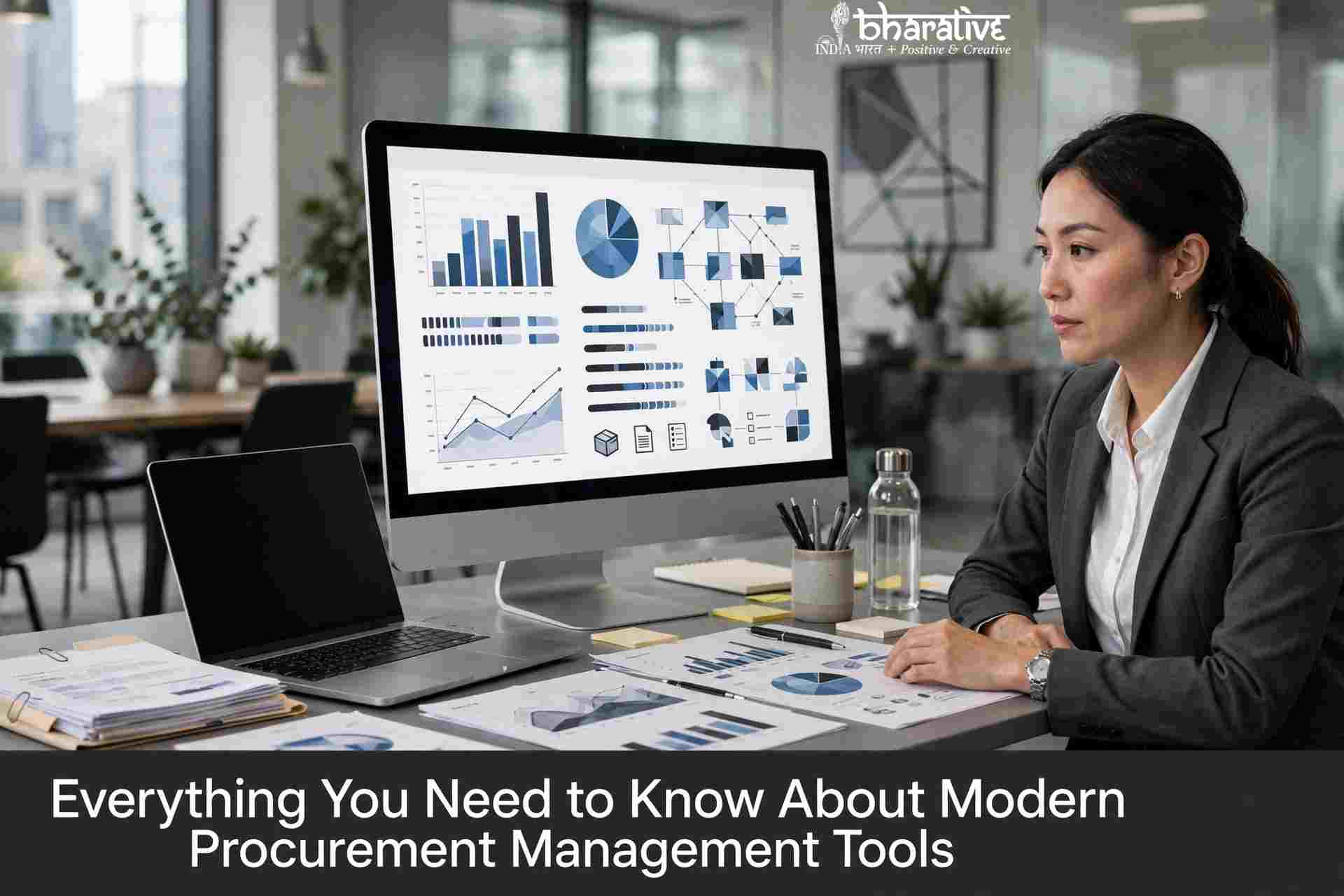
Modern procurement management platforms can provide reporting dashboards that help organizations understand spending patterns, supplier performance, purchasing activity, and budget utilization.
Useful reporting areas may include:
- Department-level spending.
- Supplier purchasing volumes.
- Purchase order status.
- Budget utilization.
- Procurement cycle times.
- Supplier delivery performance.
- Cost-saving opportunities.
These insights help procurement managers identify unusual spending, evaluate supplier performance, and make more informed purchasing decisions.
For example, spending reports may reveal that several departments are purchasing similar products from different suppliers. Consolidating those purchases could create opportunities for better pricing or simpler supplier management.
The quality of these insights depends on accurate data and consistent reporting practices.
4. Improved Compliance and Risk Management
Procurement teams must follow company policies, financial controls, contractual obligations, and applicable regulations.
Without organized processes, businesses may struggle to maintain complete purchasing records or confirm whether the required approvals were obtained.
Procurement software can help improve accountability through features such as:
- Digital approval histories.
- Audit trails.
- Supplier documentation records.
- Contract management.
- Role-based access controls.
- Purchasing policy workflows.
- Compliance reporting.
These capabilities make it easier to review procurement activities and identify gaps in internal procedures.
Supplier information can also help businesses assess potential risks, such as unreliable delivery performance or incomplete documentation.
However, software does not guarantee compliance automatically. Organizations still need appropriate policies, regular reviews, and responsible oversight.
5. Scalability for Growing Businesses
Procurement requirements usually become more complicated as a business expands.
A growing organization may need to manage additional suppliers, larger purchasing volumes, multiple departments, different approval levels, and more complex reporting requirements.
Modern procurement tools can help businesses organize these activities within a more scalable system.
Depending on the platform, organizations may be able to add users, introduce new approval workflows, manage additional supplier records, and expand reporting capabilities as their requirements change.
Choosing scalable software can reduce the need to replace an entire procurement system whenever the business grows.
Important Features to Consider in Modern Procurement Tools
Not every procurement platform offers the same functionality. Before selecting a solution, businesses should understand their purchasing requirements and compare available features.
The following capabilities are particularly useful when evaluating procurement management software.
1. User-Friendly Interface
A procurement platform should be easy for employees to understand and use.
If the system is difficult to navigate, employees may continue relying on spreadsheets, emails, or manual processes instead of using the software consistently.
Look for a solution with:
- Clear navigation.
- Simple purchasing request forms.
- Easy approval management.
- Organized supplier information.
- Accessible reporting dashboards.
- Useful help and training resources.
A user-friendly interface can improve adoption across departments and reduce the time required to train employees.
2. Integration Capabilities
Procurement software often needs to exchange information with other business systems.
For example, organizations may already use enterprise resource planning (ERP) platforms, accounting applications, inventory management systems, and financial reporting tools.
Integration capabilities can help connect these systems and reduce duplicate data entry.
Before selecting a platform, check whether it supports integration with your existing software through direct connections, APIs, or other supported methods.
Businesses should also consider how data will be synchronized and who will manage integration-related issues.
3. Customization Options
Every organization has its own purchasing policies, approval structures, and supplier requirements.
A flexible procurement platform should allow businesses to configure workflows according to their operating procedures.
Useful customization options may include:
- Approval levels.
- Purchasing request templates.
- Supplier evaluation criteria.
- Department-specific permissions.
- Reporting formats.
- Notification settings.
Customization helps organizations adapt the software to their procurement processes instead of changing every internal procedure to fit a fixed system.
However, excessive customization can make a platform difficult to maintain. Businesses should prioritize the features that directly support their operational needs.
4. Supplier Collaboration Tools
Strong supplier relationships depend on clear communication and reliable information exchange.
Many procurement platforms offer supplier portals or collaboration features that help businesses communicate with vendors through a centralized environment.
Depending on the solution, these tools may support:
- Supplier registration.
- Document submission.
- Quotation management.
- Purchase order communication.
- Delivery updates.
- Supplier performance reviews.
- Contract-related information.
Improved collaboration can reduce communication gaps and make procurement activities easier to coordinate.
It can also help suppliers understand business requirements and respond to purchasing requests more efficiently.
5. Reporting and Analytics
Reporting capabilities help procurement teams understand whether purchasing activities are meeting business objectives.
A useful analytics system should provide information that is relevant, understandable, and easy to act upon.
When evaluating reporting features, consider whether the software can track:
- Total procurement expenditure.
- Supplier performance.
- Purchasing trends.
- Approval delays.
- Purchase order activity.
- Budget differences.
- Sourcing outcomes.
Businesses should also check whether reports can be filtered by department, supplier, date range, category, or other relevant criteria.
The right reporting tools can help managers identify operational problems and develop more effective procurement strategies.
Benefits of Adopting Procurement Management Tools
Modern procurement solutions can provide advantages beyond faster purchasing. When implemented properly, they can improve financial control, operational visibility, supplier coordination, and long-term business planning.
1. Cost Reduction and Budget Optimization
Controlling purchasing expenses is a major objective of procurement management.
Procurement software can help organizations understand where money is being spent and identify opportunities to improve purchasing decisions.
For example, spending reports may reveal duplicate purchases, unnecessary expenses, or opportunities to consolidate orders with selected suppliers.
Supplier comparison and sourcing tools can also help procurement teams evaluate quotations and negotiate more competitive terms.
These capabilities support better budget management, although actual savings depend on supplier conditions, purchasing discipline, and the quality of implementation.
2. Increased Transparency and Accountability
Procurement transparency helps organizations understand how purchasing decisions are made and who is responsible for approving them.
Digital records, approval histories, and purchasing dashboards can provide a clearer view of procurement activities.
Managers can review the status of requests, identify approval delays, and examine purchasing records when questions arise.
This improves accountability and can make it easier to identify unusual transactions or gaps in internal procedures.
3. Faster Procurement Cycles
Manual approvals and disconnected communication can delay purchasing decisions.
Automated workflows help route requests to the appropriate people and provide updates as purchasing activities move through different stages.
As a result, employees may spend less time following up on approvals or searching for documents.
Faster procurement processes can help organizations obtain required products and services more efficiently, provided suppliers and internal teams also respond on time.
4. Stronger Supplier Relationships
Supplier relationships are important for maintaining consistent product quality, reliable deliveries, and favorable commercial terms.
Procurement management tools can help businesses maintain organized supplier records, communicate more consistently, and review vendor performance.
When businesses have access to accurate supplier information, they can identify performance issues and discuss improvements using documented evidence.
Better coordination can also help suppliers understand purchasing requirements and delivery expectations.
5. Greater Competitive Advantage
Efficient procurement can support a company’s wider business strategy.
Organizations that understand their spending, manage suppliers effectively, and reduce unnecessary administrative work may be better positioned to respond to changing market conditions.
Procurement analytics can support more informed planning, while automation can free employees to focus on strategic sourcing and supplier development.
Although software alone cannot create a competitive advantage, effective procurement processes supported by suitable technology can contribute to stronger operational performance.
How to Choose the Right Procurement Management Software
Selecting procurement software requires careful consideration of the organization’s size, purchasing complexity, existing technology, and future requirements.
Before making a decision, businesses should follow a structured evaluation process.
1. Identify Your Procurement Challenges
Start by reviewing the problems that need to be addressed.
For example, your organization may struggle with manual approvals, poor supplier visibility, disconnected purchasing records, or limited spending reports.
Identifying these challenges will help you focus on the features that offer practical value.
2. Define Your Budget and Requirements
Compare the total cost of ownership rather than looking only at the advertised subscription price.
Consider implementation charges, user fees, training, integration costs, maintenance, and any additional modules required.
Also identify which features are essential and which would be optional.
3. Evaluate Integration and Security
Check whether the software can work with your existing business applications.
Review available security controls, data access permissions, backup arrangements, and supplier information protection practices.
Procurement systems may contain sensitive commercial information, so security should be part of the selection process.
4. Request a Demonstration
A product demonstration can help your team understand how the platform works in real purchasing situations.
Test common activities such as creating purchase requests, routing approvals, comparing suppliers, and generating reports.
Where possible, involve employees from procurement, finance, operations, and other departments that will use the system.
5. Review Support and Scalability
Check the availability of customer support, training resources, implementation assistance, and software updates.
Also consider whether the platform can accommodate additional users, suppliers, departments, and purchasing requirements as your organization grows.
A suitable procurement system should support both current operations and realistic future needs.
Final Thoughts
Modern procurement management tools have become valuable resources for businesses seeking better control over purchasing activities, supplier relationships, and operational expenses.
By combining supplier management, workflow automation, analytics, collaboration, and compliance-related features, these platforms can help organizations create more structured procurement processes.
However, choosing software should always begin with a clear understanding of business requirements. Companies should compare usability, integration options, customization, reporting capabilities, security, and long-term costs before selecting a solution.
Platforms such as Procol provide an example of procurement technology businesses can explore. Organizations interested in improving sourcing activities can also learn more about RFP management software, which can help structure requests for proposals, supplier evaluation, and sourcing decisions.
Ultimately, the best procurement management solution is one that fits the organization’s processes, improves visibility, supports informed decisions, and can grow alongside the business.
You may also like ...