Olympus Scanlation: Inside the Art, Ethics, and Impact of Fan-Driven Manga Translation
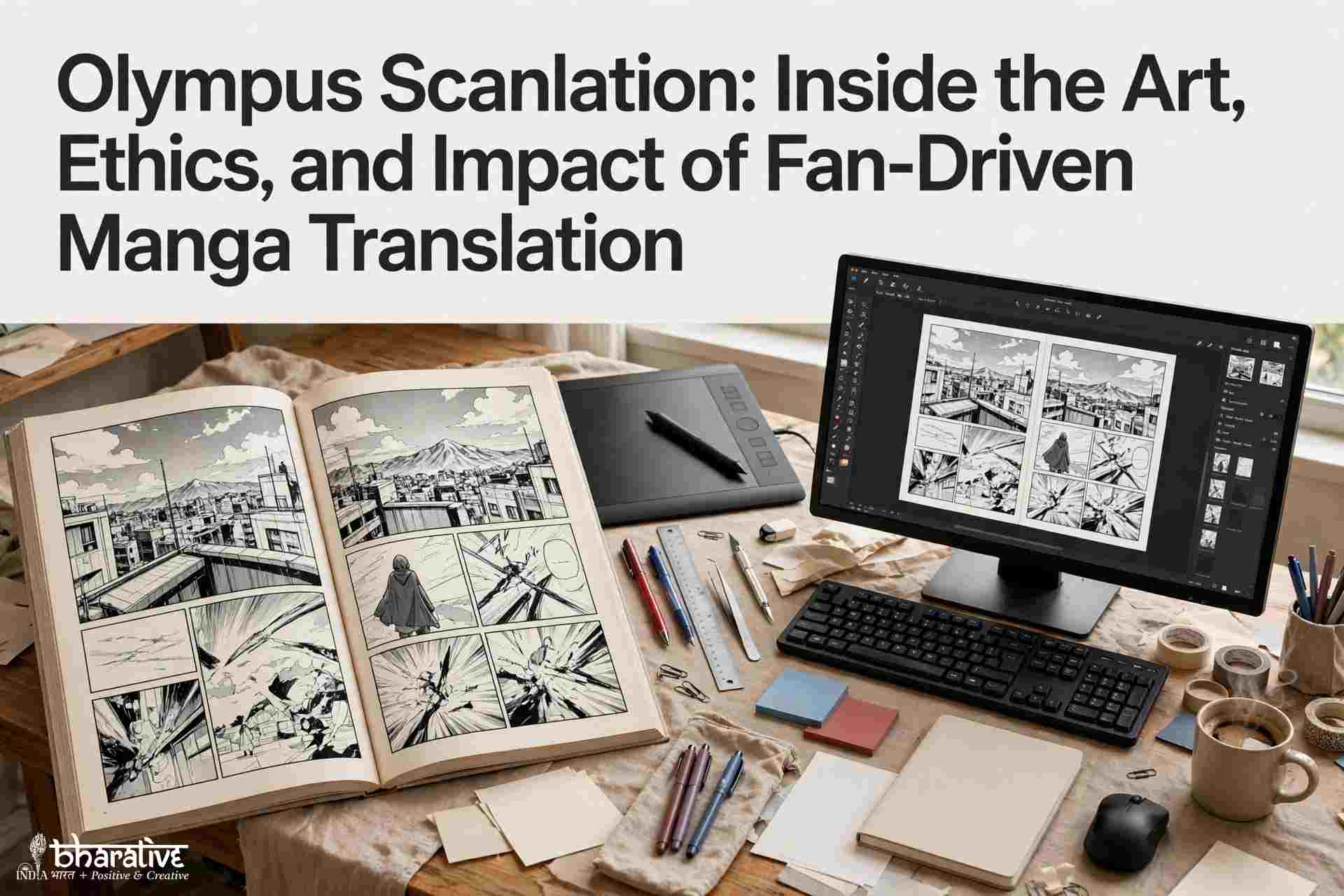
Manga and manhwa have developed passionate audiences around the world. However, readers do not always have immediate access to translations of their favorite stories. Some titles take months or even years to receive official international releases, while lesser-known series may never receive an official translation in certain languages.
This gap has contributed to the growth of scanlation, a fan-driven activity that combines scanning, translation, editing, and typesetting to make manga and other illustrated stories accessible to readers across language barriers.
Olympus Scanlation is presented as an example of a scanlation group focused on translation quality, collaborative production, and community participation. Its story highlights the dedication and creative skills involved in fan-led manga translation, from understanding cultural references to carefully reconstructing artwork and preparing readable pages.
However, scanlation also raises important questions about copyright, creator rights, accessibility, and the relationship between fan communities and official publishers.
This guide explores the scanlation process, the development and working methods associated with Olympus Scanlation, its community-focused approach, the ethical questions surrounding fan translations, and the possible future of fan-driven manga localization.
What Is Scanlation and Why Is It Important?
The word scanlation combines the terms “scanning” and “translation.” It generally describes the process of reproducing manga or similar illustrated content, translating its text, editing the pages, and preparing the result for readers in another language.
Scanlation is usually a collaborative activity involving people with different skills. A typical project may include translators, cleaners, redrawers, typesetters, editors, and proofreaders.
The process often involves several stages:
- Obtaining the original-language pages.
- Translating dialogue and written content.
- Removing the original text from speech bubbles and other areas.
- Reconstructing artwork that was hidden behind the original text.
- Adding the translated dialogue using suitable fonts and layouts.
- Checking grammar, spelling, artwork, and typesetting.
- Preparing the completed pages for distribution.
Each stage requires attention to detail. A literal translation may fail to communicate a character’s personality, while poor typesetting can make dialogue difficult to read.
Cultural context is equally important. Humor, expressions, honorifics, idioms, and references may need careful adaptation to preserve the meaning and tone of the original work.
For many readers, fan translations have historically provided access to stories that were difficult to find through official international publishing channels.
However, accessibility does not remove copyright restrictions. Manga and manhwa remain protected creative works, and reproducing or distributing translated copies without permission may infringe the rights of their owners.
Understanding both the creative process and its legal context is essential when discussing scanlation.
The Rise of Olympus: The Genesis of a Scanlation Group
Olympus Scanlation is described in the source material as a group that developed a reputation for emphasizing translation quality and careful presentation.
Rather than concentrating exclusively on popular mainstream titles, the group is presented as taking an interest in different types of manga, Korean manhwa, and Chinese manhua.
This broader focus reflects the diversity of illustrated storytelling across different countries and publishing traditions.
One of the themes associated with Olympus is the importance of giving attention to lesser-known stories. Niche titles, experimental narratives, and less widely discussed genres can sometimes struggle to attract international publishing opportunities.
Fan communities may discover these works through recommendations, discussions, and independent translation projects.
The source article highlights several qualities associated with Olympus Scanlation:
- Attention to translation accuracy.
- Careful page cleaning and typesetting.
- Interest in lesser-known stories.
- Collaboration between volunteers.
- Communication with readers.
- An emphasis on consistent project management.
These qualities help explain why production standards matter in fan translation communities.
A well-prepared translation is not simply a matter of replacing words. It involves preserving the atmosphere, emotional expression, and artistic presentation of the original work.
Specific claims about Olympus Scanlation’s history, reputation, release schedule, and projects should be checked against reliable current information before being treated as independently verified facts.
Olympus Scanlation: The Meticulous Workflow Inside
High-quality scanlation requires coordination between people with different responsibilities. Each stage contributes to the final reading experience.
The workflow described in the source material can be understood through five major stages.
1. Raw Acquisition and Preparation
The process begins with obtaining the original manga pages or digital source material.
Image quality is important because unclear scans can make text difficult to read and artwork harder to edit.
Page preparation may involve:
- Correcting page alignment.
- Adjusting image contrast.
- Removing unwanted visual noise.
- Improving readability.
- Preparing pages for editing.
A clean source makes the later stages of translation and typesetting easier.
Any reproduction or use of copyrighted source material should be authorized by the relevant rights holders.
2. Translation
Translation is one of the most important parts of the process.
A skilled translator must understand more than individual words. They also need to interpret context, character relationships, cultural expressions, humor, and the author’s intended tone.
Japanese, Korean, and Chinese expressions do not always have direct English equivalents.
A good translation therefore requires careful decisions about wording and presentation while maintaining the meaning of the original dialogue.
Consistency is also important. Character names, terminology, titles, and recurring expressions should be handled in a way that makes the story easy to follow.
3. Cleaning and Redrawing
After the translation is prepared, the original text may need to be removed from the page.
This process is commonly known as cleaning.
Simple speech bubbles may require only basic editing, but complex illustrations can present additional challenges.
When text covers important artwork, a redrawer may need to reconstruct the hidden background using digital editing techniques.
Redrawing can be especially demanding when the original page contains detailed backgrounds, patterns, textures, or complicated visual effects.
The objective is to preserve the appearance of the original artwork as closely as possible.
4. Typesetting
Typesetting involves placing translated dialogue and other text onto the edited pages.
It is both a technical and visual task.
A typesetter needs to consider:
- Font selection.
- Text size.
- Speech-bubble dimensions.
- Line spacing.
- Dialogue positioning.
- Reading direction.
- Visual consistency.
Poor typesetting can make even an accurate translation difficult to enjoy.
Good typesetting allows readers to follow the dialogue naturally without being distracted by awkward spacing or oversized text.
5. Quality Checking and Proofreading
The final stage involves reviewing the completed pages.
Proofreaders and editors may check for:
- Spelling and grammar errors.
- Incorrect translations.
- Awkward dialogue.
- Inconsistent terminology.
- Missing or misplaced text.
- Typesetting problems.
- Visual editing mistakes.
A final quality check helps create a more consistent reading experience.
The source material presents Olympus Scanlation as following a structured, team-based process. This illustrates how collaborative production can bring together linguistic ability, artistic skill, and editorial attention.
More Than a Team: The Community-Centric Philosophy
Fan communities are an important part of scanlation culture.
Readers often want more than access to translated chapters. They also enjoy discussing characters, sharing theories, recommending stories, and connecting with people who appreciate similar genres.
The source article describes Olympus Scanlation as placing emphasis on community interaction through online forums and Discord-style discussion spaces.
Such communities can support several activities:
- Discussing completed chapters.
- Sharing opinions about characters and story developments.
- Recommending lesser-known series.
- Asking questions about translation choices.
- Discussing potential projects.
- Providing feedback to volunteers.
The source also mentions reader polls as a way of collecting opinions about possible projects.
Community feedback can help a group understand which genres and stories interest its audience. However, readers’ preferences do not replace the need to obtain appropriate permissions before translating or distributing copyrighted material.
Communication is another important part of community management.
When project updates, delays, or discontinuations are explained clearly, readers can better understand the work involved in volunteer-led production.
A respectful community environment also depends on recognizing that volunteers have different schedules, responsibilities, and levels of experience.
The wider lesson is that fan communities can contribute to conversations about storytelling and cultural exchange, even when particular distribution practices raise legal or ethical concerns.
The Ethical Compass in Olympus Scanlation
Ethics is one of the most important subjects in any discussion of scanlation.
Fan translation communities often describe their work as a passion project. Volunteers may dedicate significant time to translation, editing, cleaning, and typesetting because they want to share stories with other readers.
However, passion and non-commercial intentions do not automatically provide legal permission to reproduce or distribute copyrighted material.
Manga, manhwa, and manhua are protected by copyright laws. The rights may belong to individual creators, publishers, or other rights holders, depending on the work and applicable agreements.
Several ethical considerations are particularly important.
1. Respect for Creators and Copyright Holders
Creators invest considerable effort in writing, illustration, character development, and visual storytelling.
Unauthorized reproduction or distribution can affect the rights of creators and publishers, regardless of whether a group charges readers.
Respecting intellectual property means recognizing that the decision to translate, publish, or distribute a work belongs to the relevant rights holders.
2. Non-Commercial Intentions
Some fan groups describe themselves as volunteer-driven or non-profit.
Avoiding commercial activity may reflect a group’s intentions, but it does not automatically make unauthorized distribution lawful.
Copyright considerations apply to reproduction and distribution even when money is not directly exchanged.
3. Supporting Official Releases
The source article describes a policy under which Olympus Scanlation would stop work on a series when an official translation becomes available in major markets.
This approach is intended to encourage readers to support authorized editions.
Buying official releases, subscribing to licensed platforms, and recommending legitimate publishers are meaningful ways to support the creators and businesses responsible for producing manga.
4. Transparency and Responsibility
A responsible fan community should communicate clearly about its activities, avoid misleading claims, and recognize the legal and ethical limits of its work.
The best way to support manga creators is to use authorized sources whenever possible and respect the rights attached to the original material.
Scanlation ethics cannot be reduced to a simple distinction between commercial and non-commercial activity. It requires consideration of creator rights, accessibility, cultural exchange, and the legal framework governing copyrighted works.
Manga Translation: How High-Quality Translation Can Influence Readers
Translation quality can have a significant effect on how readers experience a story.
An accurate translation helps communicate the characters’ personalities, emotional relationships, humor, and narrative details.
When cultural references are explained or adapted carefully, readers may gain a better understanding of the original work.
Fan translation communities have also contributed to the discovery of stories that might otherwise remain unfamiliar to international audiences.
Introducing Readers to New Genres
A translated story can introduce readers to unfamiliar genres, artistic styles, and storytelling traditions.
For example, someone who primarily reads mainstream action manga may discover psychological drama, historical fiction, romance, or experimental storytelling through recommendations from other readers.
This exposure can broaden interest in international comics and animation.
Encouraging Interest in Official Publishing
Reader interest in a particular series may help demonstrate its potential appeal to international audiences.
However, the relationship between fan translations and official licensing is not straightforward. Publishers consider many factors, including market research, licensing availability, production costs, distribution opportunities, and commercial demand.
Fan discussions can provide an indication of audience enthusiasm, but they do not guarantee that a publisher will license a title.
Developing Creative and Technical Skills
Scanlation projects can also expose volunteers to practical skills involving language, editing, image processing, typography, and project coordination.
These activities may help participants develop experience relevant to translation, localization, graphic design, or publishing.
However, participation in a fan project does not automatically qualify someone as a professional translator or publishing specialist. Professional work requires additional training, experience, and an understanding of industry standards.
Olympus Scanlation vs. Manga Aggregator Websites: Quality and Source Transparency
It is important to understand the difference between a fan translation group and a website that collects and republishes translated chapters from multiple sources.
A scanlation group may organize its own translation and editing workflow, while an aggregator may gather content from different websites and display it on a centralized platform.
This distinction matters because the original source of a translation can become unclear when content is repeatedly copied and redistributed.
The source article raises several concerns about unauthorized aggregator websites.
Common Concerns With Aggregator Platforms
- Unclear Attribution: The original translation group or individual contributors may not receive proper credit.
- Image Quality: Repeated compression can reduce the quality of manga pages.
- Unwanted Advertisements: Some websites use aggressive advertising or intrusive pop-ups.
- Missing Context: Readers may not see original project announcements or explanations about discontinued releases.
- Unclear Permissions: The platform may not have authorization to distribute the content it displays.
These concerns can make it harder for readers to understand where a translation originated and whether it is being shared with permission.
Why Authorized Sources Matter
Readers should prioritize official publishers and licensed digital platforms whenever possible.
If a fan translation group provides updates or community information, readers should verify that they are using its genuine channels rather than unrelated websites claiming to represent it.
Supporting authorized releases helps respect creators’ rights and contributes to the legitimate manga publishing ecosystem.
The most important principle is to distinguish between translation quality and distribution permission. A carefully translated chapter is not automatically an authorized publication.
What Is the Future of Fan-Driven Scanlation?
The manga and manhwa industries continue to change as digital publishing expands.
Official services have made it easier for international readers to access selected titles through licensed digital distribution.
Platforms such as MANGA Plus and WEBTOON illustrate how official digital publishing can reduce delays for certain series and provide access to translated content across different regions.
These developments have changed the environment in which fan translation communities operate.
1. Faster Official Digital Releases
Simultaneous or near-simultaneous translations can reduce the waiting period for readers of popular series.
As official access improves, the demand for unauthorized translations of some widely available titles may decrease.
2. Continued Interest in Lesser-Known Stories
Not every manga or manhwa receives an international license.
Some niche, experimental, or older titles may remain difficult to access outside their original markets.
This creates ongoing interest in discovering lesser-known works, although any reproduction or distribution must still respect copyright permissions.
3. Artificial Intelligence and Translation Tools
Artificial intelligence is influencing translation and image-editing workflows.
AI-based tools may assist with initial translation drafts, text recognition, terminology research, and certain editing tasks.
However, automated translation can struggle with humor, cultural context, character voice, wordplay, and visual storytelling.
Human review remains important when accuracy and natural dialogue are required.
AI-generated translations also do not remove the need for permission to reproduce or distribute copyrighted material.
4. Greater Attention to Copyright and Licensing
As official digital distribution grows, copyright awareness is likely to remain an important issue for fan communities.
Readers and volunteers increasingly need to understand the difference between discussing a work, creating an authorized translation, and distributing copyrighted copies without permission.
5. Community Participation Beyond Distribution
Fan communities can continue contributing through discussions, reviews, recommendations, fan art, analysis, and promotion of official releases.
These activities provide ways to celebrate manga culture while respecting the rights of creators and publishers.
The future of fan-driven translation will likely depend on how communities adapt to improved official access, new technologies, and clearer approaches to copyright and creator support.
Conclusion
Olympus Scanlation provides an interesting starting point for understanding the creativity, coordination, and community involvement associated with fan-driven manga translation.
Scanlation brings together several specialized skills, including language translation, cultural interpretation, page cleaning, redrawing, typesetting, and proofreading.
The source material presents Olympus as a group that values production quality, community engagement, and attention to lesser-known stories. These themes reflect the wider enthusiasm that has helped fan translation communities develop around manga, manhwa, and manhua.
At the same time, scanlation raises important questions about copyright, creator compensation, and the responsibilities of online communities. Volunteer effort and non-commercial intentions do not automatically authorize the reproduction or distribution of copyrighted work.
As official digital publishing expands and AI tools continue to develop, the relationship between fan communities and the manga industry will keep evolving.
Ultimately, the best way to celebrate manga is to appreciate the creativity behind each story, respect the people who produce it, and support authorized publications whenever possible.
Frequently Asked Questions About Olympus Scanlation
What is Olympus Scanlation?
Olympus Scanlation is described in the source material as a fan-driven group associated with translating and preparing manga, manhwa, and other illustrated stories for readers. Specific details about its current activities and history should be verified through reliable sources.
What does scanlation mean?
Scanlation is a combination of scanning and translation. It generally involves preparing original-language comic pages, translating the text, editing the artwork, typesetting the translated dialogue, and proofreading the final pages.
What skills are involved in scanlation?
Common skills include translation, cultural interpretation, image editing, cleaning, redrawing, typesetting, proofreading, and project coordination.
Is scanlation legal?
The legal position depends on the circumstances and applicable copyright laws. Reproducing or distributing copyrighted manga without permission may infringe the rights of creators or publishers. Non-commercial or volunteer status does not automatically make the activity lawful.
What is the difference between scanlation groups and aggregator websites?
A scanlation group may coordinate the translation and editing of a project, while an aggregator collects and republishes content from different sources. Aggregator platforms may create problems involving attribution, image quality, permissions, and source transparency.
How can readers support manga creators?
Readers can support creators by purchasing official manga editions, using licensed digital platforms, subscribing to authorized services, and recommending legitimate releases.
Will AI replace fan translators?
AI can assist with preliminary translation and editing tasks, but it may struggle with cultural nuance, humor, context, and character voice. Human review remains valuable for producing natural and accurate translations.
Disclaimer
This article is intended for general informational and educational purposes. Descriptions of Olympus Scanlation’s history, policies, workflow, community activities, and reputation are based on the supplied source material and have not been independently verified. Scanlation may involve copyrighted material, and unauthorized reproduction or distribution can raise legal issues depending on the applicable law and circumstances. This article does not endorse copyright infringement. Readers should support creators and publishers through authorized releases and seek qualified legal advice when necessary.
You may also like ...