Patricia Tate: The Quiet Strength Behind a Hollywood Legacy
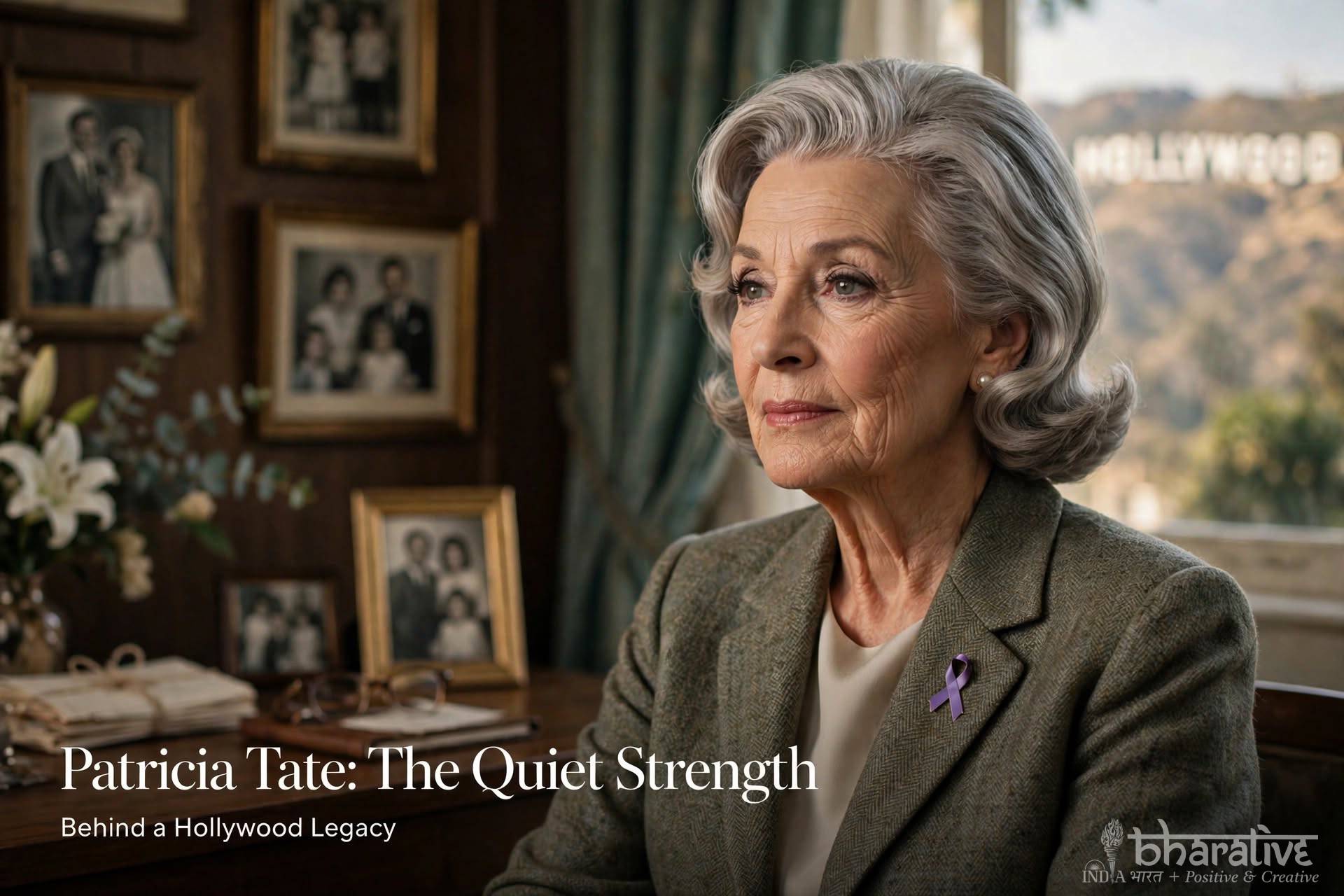
Patricia Tate, affectionately known as “Patty Tate,” was more than the younger sister of actress Sharon Tate. Born in 1957, she grew up in a family whose life was profoundly changed by tragedy. Although much of her public story became connected to her sister’s death, Patricia developed a life and identity of her own.
Over time, she became associated with victims’ rights advocacy and efforts to support families affected by violent crime. Her story is one of family, resilience, remembrance, and finding purpose after devastating loss.
Key Takeaways
- Patricia Tate, also known as Patty Tate, was Sharon Tate’s younger sister.
- She was only 11 years old when Sharon Tate was murdered in 1969.
- Patricia later became involved in victims’ rights advocacy and parole hearings.
- Her public work focused on remembering victims and supporting their families.
- Patricia also had a personal life as a wife, mother, and member of her community.
- Her legacy extends beyond her connection to Hollywood and her famous sister.
The Early Years
Patricia Tate was the youngest of three sisters. While Sharon Tate pursued a successful career in Hollywood, Patricia lived a much more private life away from the entertainment spotlight.
Her childhood changed dramatically in 1969 when Sharon Tate was murdered. Patricia was only 11 at the time, and the loss became a defining experience for the Tate family.
Living in the Shadow: Patricia Tate and the Sharon Tate Legacy
Sharon Tate’s murder brought enormous public attention to the Tate family. For Patricia, however, the tragedy was deeply personal because she had lost her sister.
As Patricia grew older, her connection to Sharon’s memory remained an important part of her life. Rather than allowing the tragedy to completely define her, she became involved in efforts centered on justice, remembrance, and victims’ rights.
The Burden of Fame
Being known primarily as “Sharon Tate’s sister” meant that Patricia’s own identity could easily be overlooked.
Despite this, she stepped into the public eye when she believed it was necessary. Her involvement in victims’ rights allowed her to support her family while also speaking for other people who had experienced devastating losses.
Patty Tate: The Advocate and Activist
As an adult, Patricia Tate became involved in victims’ rights advocacy. She participated in parole hearings and worked with organizations focused on helping families affected by violent crime.
Her advocacy reflected both her personal experience and a broader commitment to giving victims and their families a stronger voice.
A Real-Life Example
Patricia was described as someone who did not actively seek attention but was willing to speak publicly when it mattered.
Her story illustrates how someone can transform personal grief into a commitment to supporting others while continuing to protect the memory of a loved one.
The Role of Harrisfhome Obituaries in Remembering Patricia Tate
Following Patricia Tate’s death in 2000, obituary and memorial references helped preserve details about her life. These tributes presented her as more than simply Sharon Tate’s sister, highlighting her family relationships, compassion, and advocacy.
For people researching Patricia’s life, obituary records can provide another way to understand the person behind the well-known family name.
Why Obituaries Matter
Obituaries serve as lasting records of people’s lives. They can preserve details about family relationships, personal achievements, community involvement, and the qualities for which someone was remembered.
In Patricia’s case, such remembrance helps shift attention from the tragedy surrounding her family toward her own life and contributions.
Sharon Tate Daughter Patti: Clearing Up the Confusion
The phrase “Sharon Tate daughter Patti” can create confusion in online searches. Patricia Tate was Sharon Tate’s younger sister, not her daughter.
Sharon Tate did not have children before her death. Patricia was one of her sisters and was part of the family that survived the tragedy.
Why the Confusion?
The similarity between “Patricia” and “Patti,” combined with the close relationship between the sisters, can lead to incorrect assumptions.
Clarifying this relationship is important because Patricia Tate had her own story and should not be confused with being Sharon Tate’s child.
Patricia Tate’s Life Beyond Tragedy
Although much of Patricia’s public history is connected to Sharon Tate’s murder, her life also included family, work, friendships, and community involvement.
She was described as a devoted mother, wife, and friend. These aspects of her life show that her identity extended well beyond the tragedy that brought her family into the public spotlight.
Family and Personal Life
Patricia married Don Ford and had a daughter named Brie. Her role as a mother was an important part of her personal life, and she was also remembered for her involvement with those around her.
Those who knew her described her as caring and generous, emphasizing the importance she placed on family and personal relationships.
The Power of Advocacy: Patricia Tate’s Lasting Impact
Patricia Tate’s involvement in victims’ rights became one of the most notable parts of her public legacy.
She attended parole hearings and spoke on behalf of her family and other victims. Her work reflected the concerns of families seeking recognition, justice, and a stronger voice within the criminal justice system.
A Voice for the Voiceless
Patricia’s advocacy was not limited to her own family’s experience. She was associated with organizations such as Justice for Homicide Victims and supported people navigating the difficult aftermath of violent crime.
Through this work, her personal experience became part of a broader effort to support victims and their families.
The Risks and Rewards of Public Advocacy
Public advocacy can create awareness and support, but it can also carry significant emotional and personal challenges.
Pros
- Raising Awareness: Patricia’s advocacy helped bring attention to the concerns of victims and their families.
- Changing Laws: Victims’ rights advocacy can contribute to discussions and reforms surrounding the criminal justice system.
- Community Support: Advocacy can connect families facing similar experiences and provide a stronger support network.
Cons
- Emotional Toll: Revisiting traumatic experiences during parole hearings can be extremely difficult.
- Public Scrutiny: Speaking publicly can expose advocates to criticism and misunderstanding.
- Personal Sacrifice: Advocacy may require people to give up some privacy while repeatedly confronting painful memories.
Features and Usability: Patricia Tate’s Legacy in 2025
Patricia Tate’s story continues to provide a perspective on the importance of victims’ rights and family support.
For Victims’ Families
Her advocacy represents the importance of giving victims’ families opportunities to express their concerns and participate in criminal justice processes. Her story also highlights the value of community and emotional support after violent loss.
For the Public
Patricia’s life offers a reminder that people connected to major tragedies are more than the events that made them known. Her story emphasizes resilience, empathy, family loyalty, and the importance of standing up for others.
Patty Tate in Pop Culture and Media
Patricia Tate did not seek the same level of public attention as her sister, but her story has remained connected to books, documentaries, articles, and discussions surrounding the Tate family.
She is often remembered as someone who remained relatively private while becoming willing to speak when her family or victims’ rights required it.
A Tweet That Captures Her Spirit
A sentiment often associated with Patricia’s story is the idea that she transformed personal pain into a reason to support others.
That perspective helps explain why her legacy continues to attract interest even though she was not a Hollywood celebrity herself.
The Enduring Mystery: Why Does Patricia Tate Still Matter?
Patricia Tate remains a subject of interest because her story goes beyond celebrity and tragedy.
She experienced the devastating loss of her sister at a young age, lived with the public attention surrounding the Tate family, and later became involved in advocacy for victims and their families.
Her life demonstrates how personal tragedy can influence a person’s path while still leaving room for family, community, and individual identity.
FAQs
Who was Patricia Tate?
Patricia Tate, also known as Patty Tate, was the younger sister of actress Sharon Tate. She later became associated with victims’ rights advocacy and support for families affected by violent crime.
Is Patricia Tate the daughter of Sharon Tate?
No. Patricia Tate was Sharon Tate’s younger sister, not her daughter. Sharon Tate did not have children before her death.
What is the connection between Patricia Tate and Harrisfhome obituaries?
Harrisfhome obituaries is referenced in connection with obituary information about Patricia Tate. Such memorial records can help preserve details about her life and provide a way for people to remember her.
What impact did Patricia Tate have on victims’ rights?
Patricia Tate became involved in victims’ rights advocacy, including participation in parole hearings and work connected to organizations supporting families affected by violent crime.
Conclusion
Patricia Tate’s life cannot be defined solely by the tragedy that affected her family. Although losing Sharon Tate at a young age profoundly shaped her story, Patricia later developed a life centered on family, advocacy, and support for others.
Her willingness to speak for victims and their families gave her a legacy of her own. Patricia Tate is remembered not simply as Sharon Tate’s sister, but as a woman who carried personal loss while working to give others a stronger voice.
You may also like ...