Paywallbypass.neta: A Practical Look at Accessing Locked Content Online
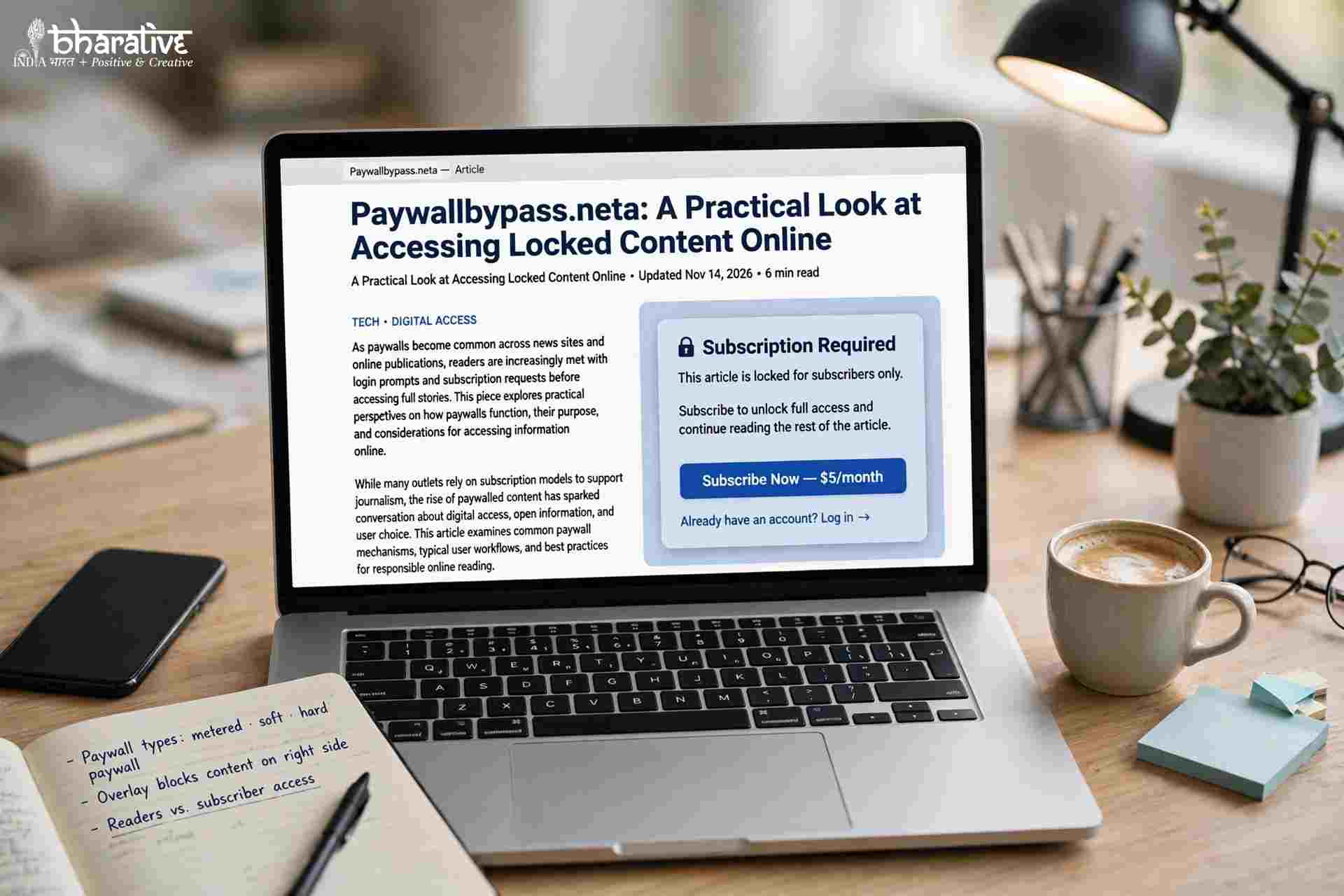
The internet has made information easier to discover than ever, but accessing it is not always straightforward. Many news websites, research platforms, digital magazines, and specialist blogs now place some of their content behind subscription paywalls. A reader may find an interesting article through a search engine, only to encounter a payment request before reaching the information they need.
This experience has increased interest in online tools that claim to help readers access paywalled content. One name that appears in this discussion is Paywallbypass.neta.
The idea behind such tools is simple: make online reading more convenient when a subscription prompt interrupts access. However, their usefulness, reliability, safety, and legal implications deserve careful consideration.
This guide explores the reasons readers look for paywall access tools, the different types of paywalls, the experience described for Paywallbypass.neta, and some important considerations before using third-party services.
What Is Paywallbypass.neta?
Paywallbypass.neta is presented as an online tool intended to help readers view content that may otherwise be restricted by website paywalls.
The appeal is its straightforward approach. Instead of installing complicated browser extensions or configuring technical settings, users are described as being able to submit an article link and attempt to access a readable version.
This concept is particularly attractive to people who occasionally need information from different websites but do not want to purchase multiple subscriptions.
However, the availability and effectiveness of any particular service can change. Its current features, supported websites, privacy practices, and operating status should be checked directly before relying on it. The name alone does not establish that it can access every restricted article.
Why Are More Websites Using Paywalls?
Online publishing has changed considerably over the years. Advertising once provided much of the revenue for digital publications, but many publishers have introduced subscription models to support their operations.
Producing reliable content involves expenses such as:
- Journalist and editorial salaries
- Research and fact-checking
- Website hosting and maintenance
- Photography, illustrations, and video production
- Reporting, investigation, and specialist expertise
Subscriptions provide publishers with a recurring revenue source. This can help them maintain editorial teams and continue producing original material.
For readers, however, the growing number of subscription services can create a different problem. Someone who reads several publications may need multiple paid accounts to access everything they want.
This situation has contributed to interest in alternative ways of finding and reading online information.
Understanding the Different Types of Paywalls
Not every website restricts content in the same way. Understanding the main types of paywalls helps explain why access varies from one publication to another.
1. Soft Paywalls
A soft paywall allows visitors to read a limited amount of content before requesting a subscription.
For example, a publication might offer a certain number of free articles each month. Once the reader reaches that limit, a subscription message appears.
These systems may use browser cookies or account information to track reading activity.
2. Hard Paywalls
A hard paywall restricts access to most or all premium content unless the visitor signs in with an eligible account.
Readers generally need an active subscription or another authorized access arrangement to view the material.
3. Hybrid Paywalls
Hybrid systems combine different access models. A publication might offer selected free articles while reserving premium reports, investigations, and specialist content for subscribers.
Some websites also combine account verification, browser tracking, and other access controls.
Because publishers use different systems, a method that works with one website may not work with another.
Why Do Readers Look for Paywallbypass.neta?
People have different reasons for searching for tools that claim to provide access to restricted articles.
Research and Education
Students and researchers sometimes need information from multiple publications. A single article may be useful for an assignment, project, or background research, even when the reader does not need a full subscription.
Libraries, university subscriptions, and institutional access are often better options for obtaining academic material.
Occasional News Reading
A casual reader may want to understand one particular news story without committing to another monthly subscription.
This is especially relevant when someone discovers an article through a search engine or social media post.
Subscription Fatigue
Many digital services now operate through recurring payments. Video platforms, music services, productivity software, and publications can all compete for the same monthly budget.
As subscription expenses increase, some readers become more selective about which services they pay for.
Comparing Publications
Readers may want to evaluate a publication’s writing style, subject coverage, and editorial quality before deciding whether a subscription is worthwhile.
Free articles, previews, newsletters, and trial access can help with that decision.
How Does a Typical Paywall Access Tool Work?
The source material describes a simple user experience for Paywallbypass.neta: a reader finds an article, copies its URL, and submits the link to the service.
Tools in this general category may rely on different technical approaches, including:
- Accessing publicly available cached page versions
- Retrieving alternative versions of web pages
- Displaying simplified article content
- Using content formats made available for indexing or distribution
These approaches are not universal. Their availability depends on the website, its technical configuration, and the way its content is protected.
It is also important to distinguish between accessing a legitimately available preview or archived page and circumventing restrictions that a publisher has deliberately placed on its content.
The exact technical method used by Paywallbypass.neta should not be assumed without reliable documentation from the service.
Ease of Use and User Experience
Simplicity is one of the main reasons people are attracted to online access tools.
A complicated solution may require browser extensions, scripts, or technical configuration. That can discourage people who only want to read an article.
The experience described for Paywallbypass.neta is more direct: copy an article link and submit it for processing.
A simple interface can make a service easier to understand, but ease of use alone does not establish that it is reliable or safe.
Before using an unfamiliar website, consider whether it explains its service clearly, provides contact information, and publishes transparent privacy and security policies.
Does Paywallbypass.neta Work With Every Website?
No third-party access tool should be assumed to work with every publication.
The result can depend on several factors:
- The type of paywall protecting the article
- Whether the content is available through an authorized public version
- The publisher’s access controls
- Changes to the website’s technical infrastructure
- Whether the article is still available online
Some pages may display only partial content. Others may fail to load or show missing images and broken formatting.
A service that works with one article today may not work with another article tomorrow.
For this reason, readers should avoid treating any paywall access tool as a guaranteed solution.
Limitations to Consider
Tools that promise easier access to restricted content can have practical limitations.
Incomplete Articles
A retrieved page may not contain the entire article. Some paragraphs, images, charts, or supporting material may be missing.
Formatting Problems
Alternative versions of web pages may not preserve the original layout. Tables, captions, interactive graphics, and embedded media can sometimes disappear.
Inconsistent Availability
Third-party services may change their functionality, become temporarily unavailable, or stop supporting particular websites.
Uncertain Content Accuracy
Readers should check the original publication whenever possible. A copied or cached version may be outdated or incomplete.
These limitations make it important to verify important information through reliable sources rather than relying on a single access tool.
Privacy and Security Considerations
Privacy should be a priority when using unfamiliar online services.
A website that accepts article URLs may collect technical information about visitors or the links they submit. Without a clear privacy policy, users may not know how that information is handled.
Consider these precautions:
- Check the website’s privacy policy before submitting links.
- Avoid entering personal information unless it is genuinely necessary.
- Never provide your publisher login credentials to an unfamiliar third-party service.
- Keep your browser and security software updated.
- Be cautious of unexpected downloads, pop-ups, and browser permission requests.
- Avoid pages that redirect repeatedly or ask you to install unknown software.
A simple-looking website is not automatically a secure one. If a service does not clearly explain how it handles user information, it is sensible to avoid sharing sensitive data with it.
Is Bypassing a Paywall Legal or Ethical?
The legal and ethical questions surrounding paywall bypassing are not always straightforward.
Publishers use subscriptions to fund journalism, research, and other forms of original content. Circumventing access restrictions may conflict with a website’s terms of service and could raise copyright or other legal concerns, depending on the method and jurisdiction.
At the same time, readers often face genuine access barriers, particularly when they need information for education, research, or public-interest purposes.
A balanced approach is to look for legitimate access options before attempting to circumvent restrictions.
These may include:
- Public library digital subscriptions
- University or institutional access
- Publisher-provided free article allowances
- Free article previews and newsletters
- Student or discounted subscription plans
- Open-access research repositories
- Articles legally shared by their authors
Supporting publications that consistently provide valuable reporting also helps sustain the work behind that content.
Legal Alternatives for Reading Restricted Articles
Readers have several options that can provide access without relying on questionable third-party services.
1. Check Your Public Library
Many public libraries provide digital access to newspapers, magazines, and research databases. A library membership may include publications that normally require individual subscriptions.
2. Look for Open-Access Versions
Academic authors sometimes publish legally accessible versions of their research through university repositories or open-access platforms.
Searching for the article title or DOI may help locate an authorized copy.
3. Use Publisher Free Articles
Some publications offer a limited number of free articles every month. Others provide selected reports without requiring payment.
4. Check Institutional Access
Schools, colleges, universities, and workplaces may have subscriptions to research databases and news publications.
If you already belong to an institution, check whether its library or information service provides access.
5. Consider Affordable Subscription Plans
Student discounts, annual plans, introductory offers, and bundled subscriptions can make regular reading more affordable.
These options also provide publishers with a direct way to fund their content.
How Paywalls Are Changing Online Reading Habits
The growing use of subscriptions has changed how people discover and consume information.
In the past, readers often visited a small collection of familiar websites. Today, search engines, social networks, newsletters, and content recommendations introduce people to a much wider range of publishers.
This creates a mismatch: readers want to explore many sources, while publishers need sustainable ways to earn revenue.
As a result, the internet now includes a mixture of free articles, metered access, premium subscriptions, sponsored content, and open-access resources.
Tools such as Paywallbypass.neta are part of the wider discussion about how readers respond to these changes. Their popularity reflects demand for convenience, but it does not remove the need to respect content rights and evaluate the safety of third-party services.
The Future of Paywalls and Digital Content Access
Publishers are continuing to experiment with different ways to make digital content available.
Some are introducing flexible subscription packages, while others are offering free article limits, membership programs, donations, or institutional access.
At the same time, website owners continue improving their content protection and account management systems.
The future is likely to involve a combination of paid and free access models. Publishers need revenue to support original work, while readers want affordable ways to discover useful information.
Services that improve access may remain part of this conversation, but transparency, reliability, privacy, and respect for publishers’ rights will remain important considerations.
Final Thoughts
Paywalls have become a normal part of online publishing, and they can make it difficult for readers to access individual articles across multiple websites.
Paywallbypass.neta is presented as a simple tool for people looking for alternative ways to view restricted online content. Its appeal comes from the idea of submitting an article link instead of dealing with complicated technical steps.
However, its actual capabilities, reliability, and privacy practices should be independently checked. No tool should be assumed to work with every publication, and bypassing restrictions can raise legal, ethical, and contractual concerns.
For readers who need consistent access, public libraries, institutional subscriptions, open-access repositories, and publisher-approved options are often more dependable choices.
Ultimately, the best approach is to balance convenient access to information with online safety and support for the people who create it.
Frequently Asked Questions (FAQs)
1. What is Paywallbypass.neta?
Paywallbypass.neta is described as an online service intended to help users access articles that may be restricted by website paywalls. Its current features and availability should be verified before use.
2. Does Paywallbypass.neta work with every news website?
No. Different publishers use different paywall technologies and access controls. A tool may work with some pages but fail with others.
3. Do I need technical knowledge to use Paywallbypass.neta?
The source description presents the service as a simple link-based tool that does not require programming skills. However, its current interface and actual requirements should be checked directly.
4. Is Paywallbypass.neta safe?
Its safety cannot be established from the available description alone. Review its privacy policy, avoid sharing login credentials, and be cautious of unexpected downloads or permission requests.
5. Is bypassing a paywall legal?
The answer depends on the method used, the publisher’s terms, copyright rules, and the applicable jurisdiction. Readers should use authorized access options whenever possible.
6. What are the alternatives to paywall bypass tools?
Public libraries, university subscriptions, open-access repositories, publisher free article allowances, newsletters, and discounted subscription plans are useful alternatives.
7. Why do publishers use paywalls?
Publishers use paywalls to generate subscription revenue that helps cover the costs of journalism, research, editing, and website operations.
8. Can I access academic articles without paying?
Sometimes. Check university repositories, open-access databases, author websites, public libraries, and institutional subscriptions for legally available versions.
You may also like ...